 BUY NOW
Bright Solutions Custom &
Configurable Pulsed DPSS Lasers
ns/ps DPSS platforms for LIDAR, ablation, nonlinear optics, spectroscopy, materials processing, biomedical research, and OEM integration
-
-
- Standard, configurable, and custom ns/ps DPSS platforms across UV, visible, and IR wavelengths
- Options ranging from compact microchip sources to higher-energy and higher-average-power laser platforms
- Solutions for LiDAR and bathymetry, spectroscopy, materials processing, biomedical research, aerospace, and specialized OEM integration
-
-

Not sure which DPSS platform fits your requirements?
RPMC can help compare wavelength, pulse energy, timing, triggering, packaging, and application needs before you request a quote.
Choose Your Bright Solutions Pulsed DPSS Platform
Bright Solutions offers overlapping standard, configurable, and custom DPSS platforms rather than one rigid product for each application. Start with the requirement that matters most, then use wavelength, pulse energy or average power, pulse width, repetition rate, timing, packaging, cooling, beam delivery, and integration constraints to narrow the options.
The guidance below identifies a useful starting point, not an absolute product assignment. RPMC can help compare platforms and determine whether a standard, configurable, or custom solution is the better fit.
Onda
Start here when: you need a compact nanosecond DPSS platform with flexible repetition-rate and integration options.
- UV, visible, and NIR wavelength options
- Compact single-unit packaging
- Air-cooled integration
- Useful for spectroscopy, ablation, instrumentation, research, and OEM systems
Wedge
Start here when: you need broader wavelength, pulse-duration, packaging, or customization flexibility.
- Nanosecond and picosecond options
- Broad wavelength coverage
- mJ-class configurations
- Strong starting point for LiDAR, LIBS, nonlinear optics, spectroscopy, ablation, and custom OEM work
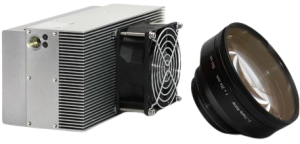
SOL
Start here when: compact industrial integration and higher average power are more important than maximum pulse energy.
- Nanosecond DPSS architecture
- Higher-average-power configurations
- Compact air-cooled format
- Useful for marking, scribing, thin-film removal, micromachining, and OEM processing systems
Aero
Start here when: high pulse energy and demanding packaging or environmental requirements drive the selection.
- High-energy nanosecond operation
- UV, visible, and NIR configurations
- Multiple cooling and integration paths
- Useful for LIBS, LiDAR, spectroscopy, atmospheric sensing, and high-energy research/OEM systems
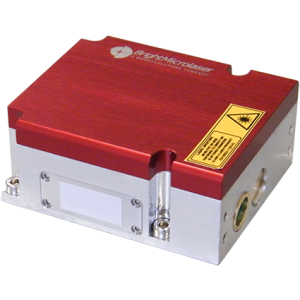
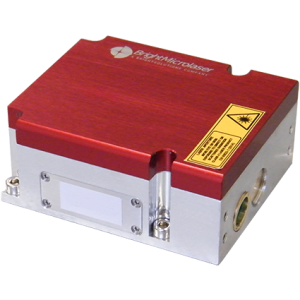
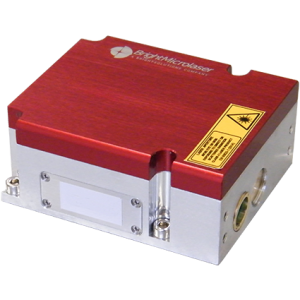
SB1 / Bright MicroLaser
Start here when: size, weight, beam quality, spectral performance, and compact integration are central.
- Ultra-compact microchip-laser platform
- Picosecond or nanosecond options
- UV, visible, and IR variants
- Useful for compact instrumentation, spectroscopy, LiDAR, LIBS, biophotonics, and OEM integration
Vento
Start here when: short pulse duration, higher average power, and rugged or tailored system integration need to coexist.
- Sub-nanosecond MOPA-style platform
- 532 and 1064 nm configurations
- High-average-power operation
- Useful for micromachining, thin-film removal, LiDAR/bathymetry, nonlinear optics, and rugged OEM systems
Several Platforms Look Like They Could Fit?
That is normal. Bright Solutions platforms overlap intentionally, especially when wavelength, pulse energy, repetition rate, packaging, beam delivery, cooling, or timing can be configured around the application.
Send RPMC the requirements you already know. We can compare the practical starting platforms and determine whether a standard, configurable, modified, or deeper custom solution is warranted.
Need help choosing between Onda, Wedge, SOL, Aero, SB1, or Vento?
Share your wavelength, pulse energy or average power, pulse width, repetition rate, timing, output format, packaging, cooling, application, quantity, and timeline where known.
Browse All Bright Solutions Lasers
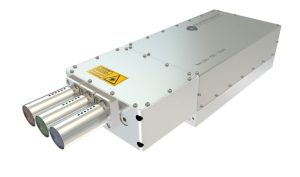
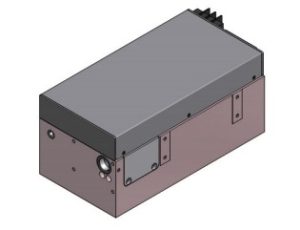
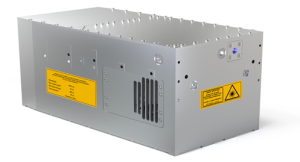
Use the filters and product table below to explore the full Bright Solutions lineup by wavelength, laser type, pulse characteristics, packaging, and other available attributes.
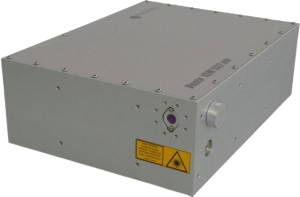
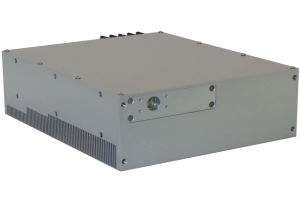
Need a Custom or OEM Bright Solutions Laser?
A standard Bright Solutions platform is often the starting point rather than the final configuration. RPMC can help translate your application into the wavelength, pulse format, power or energy, timing, package, cooling, beam delivery, environmental, and control requirements that actually determine the right solution.
Where a standard configuration does not fit, Bright Solutions can evaluate configurable or custom DPSS solutions, including modified platforms and more application-specific laser systems.
Optical & Pulse Requirements
- Wavelength or multiple wavelengths
- Pulse energy or average power
- Pulse width
- Repetition rate
- Peak power
- Beam quality or beam shaping
- Timing, triggering, or jitter requirements
- Polarization or spectral requirements where relevant
Integration & Program Requirements
- Package size, weight, or mounting constraints
- Air, conductive, or liquid cooling needs
- Electrical and control interfaces
- Free-space or fiber delivery
- Environmental or vibration requirements
- Prototype or production quantities
- Application and operating environment
- Project schedule and qualification needs
Tell Us What Must Stay Fixed and Where You Have Flexibility
You do not need a finalized laser specification before contacting RPMC. Share the application and the requirements you already know. We can help identify which Bright Solutions platform is the most practical starting point and what level of customization is actually necessary.
Bright Solutions Laser Applications
Bright Solutions platforms overlap across applications, so the application alone does not determine the laser. Use these examples as starting points, then compare the wavelength, pulse energy, pulse duration, repetition rate, package, and integration requirements that drive the final selection.
| Application Area | Useful Bright Solutions Starting Points | What Usually Drives Selection |
|---|---|---|
| LiDAR, Bathymetry & Remote Sensing | Wedge, Aero, Vento, Onda, and compact SB1 configurations depending on the system | Wavelength, pulse energy, pulse width, repetition rate, timing, size/weight, beam quality, and operating environment |
| Materials Processing & Micromachining | SOL, Wedge, Onda, Vento, Lampo, and application-specific configurations | Average power, peak power, pulse energy, pulse duration, repetition rate, wavelength, process speed, and heat input |
| LIBS, Spectroscopy & Scientific Systems | Wedge, Aero, SB1, NPS, Lampo, and other specialized platforms | Wavelength, pulse energy, pulse duration, spectral requirements, beam quality, timing, and experiment architecture |
| Medical, Biomedical & Diagnostic Systems | Selected compact, high-energy, and custom Bright Solutions platforms | Wavelength, pulse format, energy or power, beam delivery, package, reliability, documentation, and OEM integration requirements |
| Aerospace, Defense & Specialized OEM Integration | Aero, Wedge, Vento, SB1, and custom or modified Bright Solutions platforms | SWaP, wavelength, pulse performance, electrical interface, cooling, packaging, environmental requirements, qualification scope, and production needs |
Why Bright Solutions and RPMC?
Bright Solutions
Founded in 1998, Bright Solutions develops diode-pumped solid-state laser platforms for industrial, scientific, medical, aerospace, defense, and other specialized applications.
- Standard, configurable, and application-specific DPSS laser platforms
- Nanosecond, sub-nanosecond, and picosecond source options
- UV, visible, NIR, and selected longer-wavelength configurations
- Compact and application-focused laser architectures
- Custom engineering for requirements not met by standard configurations
Why Source Through RPMC?
Bright Solutions offers several platforms that overlap in wavelength, pulse format, power or energy, package, and application. Choosing between them usually requires more than matching a few headline specifications.
As Bright Solutions’ exclusive North American source, RPMC helps translate the application into the requirements that actually drive the selection, compare viable Bright platforms, and coordinate technical questions, configuration, quotation, and custom/OEM discussions.
Additional Bright Solutions Resources
Explore application examples, technical articles, and RPMC resources showing how pulsed DPSS lasers are being applied in aerospace, LiDAR, materials processing, biomedical research, and other demanding systems.
Space, LiDAR & Optical Communications
See how pulsed lasers are being used for LiDAR, free-space optical communications, lunar exploration, and other space-based applications.
Custom Systems & Materials Processing
Learn how custom and integrated laser platforms can be adapted around customer-specific optical, mechanical, control, and processing requirements.
Biomedical & Research Applications
Review an application study using the Bright Solutions One nanosecond laser to investigate photoacoustic and photothermal neural modulation.
Bright Solutions Laser FAQs
Which Bright Solutions laser should I start with?
Start with the requirement that is hardest to change. That may be pulse energy, average power, pulse width, wavelength, repetition rate, timing, package size, cooling, or environmental constraints. Onda, Wedge, SOL, Aero, SB1, and Vento overlap in several areas, so RPMC can help compare the most practical starting platforms.
Can Bright Solutions lasers be customized for OEM applications?
Yes. Depending on the platform and program, Bright Solutions can evaluate changes involving wavelength, pulse performance, beam delivery, package, cooling, controls, electrical interfaces, environmental requirements, and other integration needs. RPMC can help determine whether a standard, configurable, modified, or deeper custom solution is appropriate.
Which Bright Solutions lasers are used for LiDAR and bathymetry?
Several Bright Solutions platforms can support LiDAR, bathymetry, rangefinding, and related sensing systems. The appropriate starting point depends on wavelength, pulse energy, pulse duration, repetition rate, timing, beam characteristics, package size, and environmental requirements rather than the application name alone.
What information should I send RPMC for a Bright Solutions laser?
Send the application plus any known wavelength, pulse energy or power, pulse width, repetition rate, timing, beam, package, cooling, environmental, quantity, and schedule requirements. Unknown values are fine; RPMC can help determine which specifications actually drive the selection.
Have a Bright Solutions application or configuration to evaluate?
Share the requirements you already know. RPMC can help compare the available platforms and determine the most practical standard, configurable, or custom path.