 BUY NOW
 Wedge
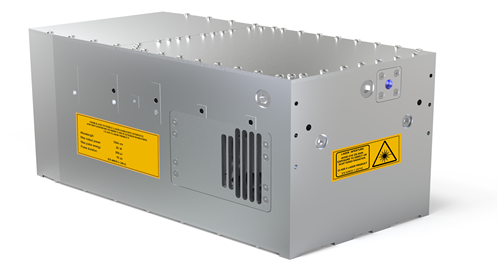
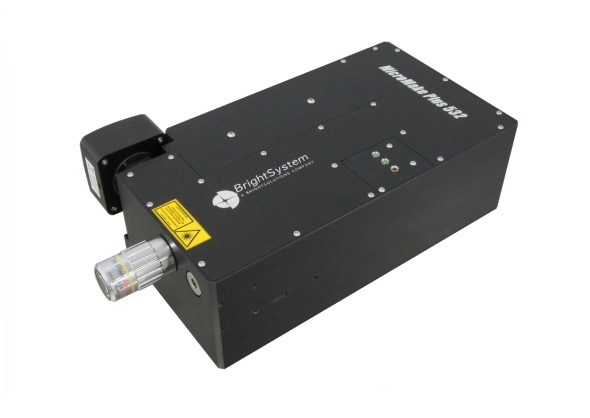
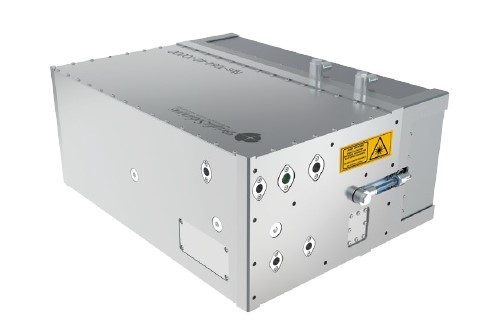
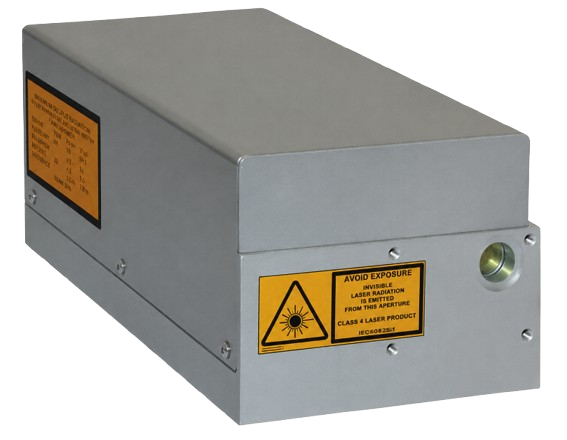
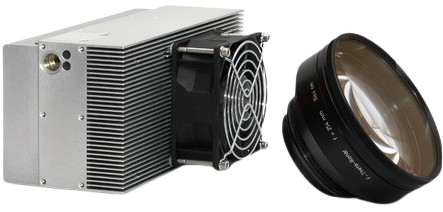
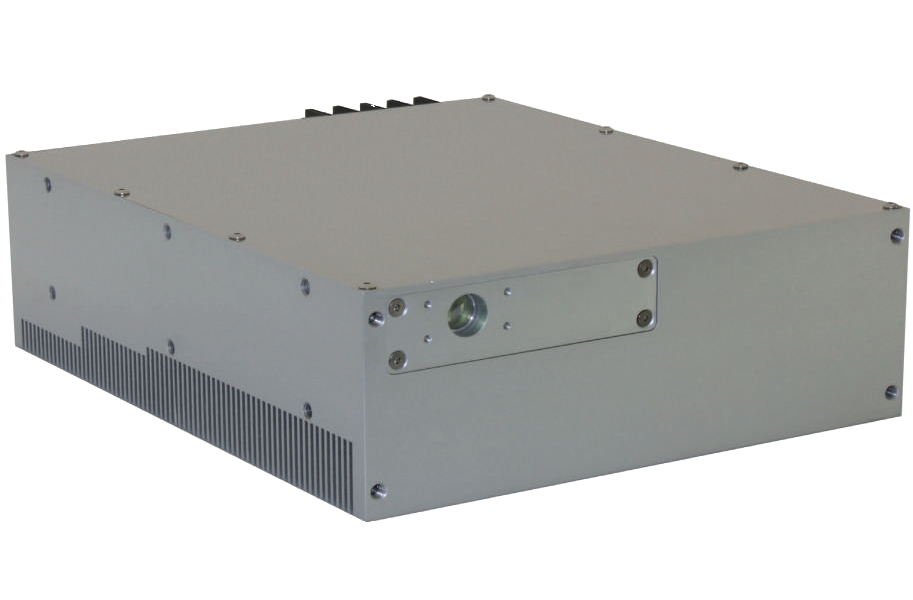
DPSS Laser, ns/ps pulsed, 266-3000nm, up to 4mJ, up to 100kHz
Key Features:
- Flexible short-pulse DPSS platform from 266 nm to ~3 µm
- ns/ps pulse options w/ mJ-class pulse-energy configurations
- Compact, sealed, rugged design for OEM integration
- Air-cooled platform with water-cooling options available
- Configurable beam delivery, fiber coupling, timing, monitoring, cooling, packaging
Wedge is a great fit when wavelength, pulse width, pulse energy, timing, beam delivery, packaging, or environmental needs drive the final configuration.
Share your application & laser requirements. RPMC can help determine which Bright Solutions platform is the right starting point.

POPULAR CONFIGURATIONS:
Picture |
Part Number |
Part Description |
Datasheet |
|
|---|---|---|---|---|
|
WEDGE HB 1064nm |
Compact Nanosecond Laser, 1064nm, 2mJ, 1.5ns, 2kHz |

|
Get Quote |
|
|
WEDGE HB 532nm |
Compact Nanosecond Laser, 532nm, 1mJ, 1.5ns, 2kHz |
|
Get Quote |
|
|
WEDGE HF 1064nm |
Compact Nanosecond Laser, 1064nm, 180 uJ at 10kHz, 700 to 2500 ps, 10 to 100 kHz |
|
Get Quote |
|
|
WEDGE HF 532nm Plus |
Compact Nanosecond Laser, 532nm, 3.5W at 50 kHz, 700 to 2000 ps, 30 to 100 kHz |
|
Get Quote |
|
|
WEDGE HF 532nm |
Compact Nanosecond Laser, 532nm, 1.5W at 30 kHz, 700 to 2000 ps, 10 to 100 kHz |
|
Get Quote |
|
|
WEDGE HF 355nm |
Compact Nanosecond Laser, 355nm 800 mW, 500 to 1000 ps, 10 to 50 kHz |
|
Get Quote |
|
|
WEDGE HF 266nm |
Compact Nanosecond Laser, 266nm, 15uJ at 10kHz, 700 to 1500 ps, 10 to 50 kHz |
|
Get Quote |
|
|
WEDGE XB 1064nm |
Compact Nanosecond Laser, 1064nm, 4mJ, 1.5ns, 1kHz |
|
Get Quote |
|
|
WEDGE XB 1572nm |
Compact Nanosecond Laser, 1572nm, 800uJ, <2.5ns, 1kHz |
|
Get Quote |
|
|
WEDGE XB 532nm |
Compact Nanosecond Laser, 532nm, 2mJ, 1.5ns, 1kHz |
|
Get Quote |
|
|
WEDGE XB 355nm |
Compact Nanosecond Laser, 355nm, 0.6mJ, 1.5ns, 1kHz |
|
Get Quote |
|
|
WEDGE XB 3100nm |
Compact Nanosecond Laser, 3100nm, 100uJ, 3ns, 2kHz |
|
Get Quote |
|
|
WEDGE XB 266nm |
Compact Nanosecond Laser, 266nm, 0.5mJ, 1.8ns, 1kHz |
|
Get Quote |
|
|
WEDGE XF 1064nm |
Compact Nanosecond Laser, 1064nm, 70 uJ at 10kHz, 400 to 1500 ps, 10 to 100 kHz |
|
Get Quote |
|
|
WEDGE XF 1064nm Plus |
Compact Nanosecond Laser, 1064nm, 4W at 80 kHz, 400 to 1600 ps, 50 to 200 kHz |
|
Get Quote |
|
|
WEDGE XF 532nm Plus |
Compact Nanosecond Laser, 532nm, 2W at 100 kHz, 400 to 1500 ps, 50 to 200 kHz |
|
Get Quote |
|
|
WEDGE XF 532nm |
Compact Nanosecond Laser, 532nm, 30 uJ at 10kHz, 400 to 1000 ps, 10 to 100 kHz |
|
Get Quote |
|
|
WEDGE XF 266nm |
Compact Nanosecond Laser, 266nm 5uJ at 10kHz, 400 to 700 ps, 10 to 50 kHz |
|
Get Quote |
The Wedge series is a flexible short-pulse DPSS laser platform for applications that require broader wavelength coverage, ns/ps pulse options, high peak power, rugged packaging, or application-specific configuration. Available from 266 nm to approximately 3 µm, Wedge is a strong starting point when the application requires more configuration flexibility than a compact standard nanosecond platform.
Wedge is commonly considered for OEM micromachining, LIDAR, LIBS, ablation, nonlinear optics, spectroscopy, research, and rugged industrial or airborne-style systems. Its compact, sealed, monolithic design supports integration into demanding environments where packaging, beam delivery, cooling, timing, or configuration details matter.
Start with Wedge when your application depends on:
- Broader wavelength coverage from UV through IR/SWIR
- ns/ps pulse options
- mJ-class pulse-energy configurations
- High peak power in a compact package
- Rugged, compact, or airborne-style packaging requirements
- Beam delivery, fiber coupling, cooling, monitoring, low-jitter, IP-rated, 28 V DC, or other custom options
Wedge is often a good starting point when the application requires broader wavelength coverage, ps-capable short-pulse operation, mJ-class pulse energy, rugged packaging, or custom beam-delivery/control options. If your requirements are closer to a compact nanosecond DPSS source, Onda or SOL may be a better starting point. For very high-pulse-energy, lower-repetition-rate requirements, Aero may be more appropriate. For ultra-compact microchip packaging, compare against SB1. RPMC can help confirm the best Bright Solutions platform based on your wavelength, pulse energy, pulse width, repetition rate, trigger/timing, output format, packaging, cooling, and application requirements.
Tell us about your application and laser requirements:
Share your wavelength, pulse energy, pulse width, repetition rate, trigger/timing needs, output format, package constraints, and application. RPMC can help determine whether Wedge or another Bright Solutions platform is the right starting point.
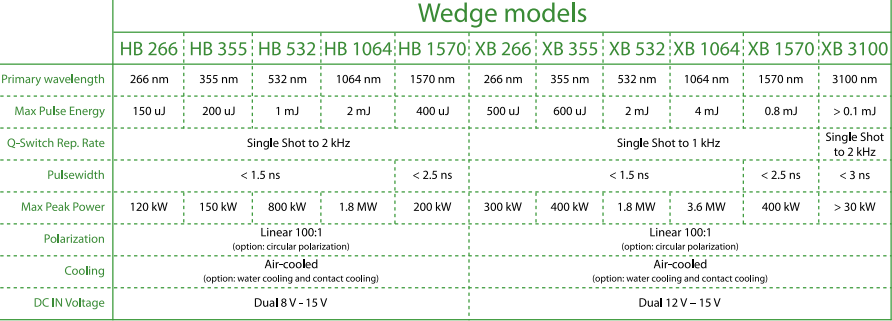
Wedge HB/XB DPSS Laser Platform Examples:
Wedge HB/XB models are the higher-pulse-energy nanosecond configurations, a good starting point when the application prioritizes mJ-class pulse energy, active Q-switch synchronization, and select UV/visible/IR wavelength options at lower repetition rates.
Endless customization options are available. Let us know what you need!
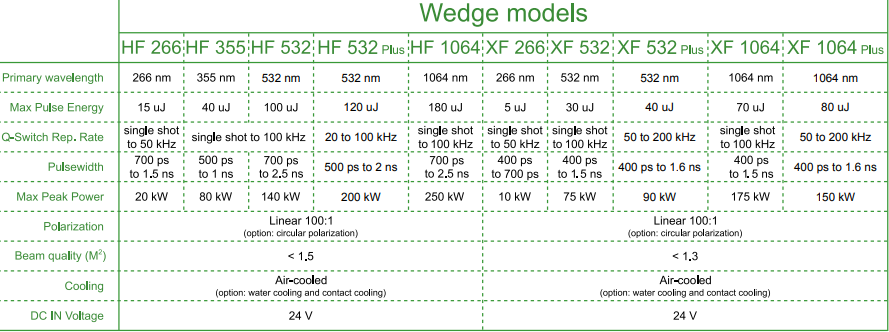
Wedge HF/XF DPSS Laser Platform Examples:
Wedge HF/XF models are the shorter-pulse, higher-repetition-rate configurations, combining active Q-switching with sub-ns pulsewidths in a compact, rugged platform for airborne, industrial, and instrumentation applications.
Endless customization options are available. Let us know what you need!
Benefits:
- Rugged monolithic industrial design:
Ready for action with a monolithic design, insensitive to vibrations & harsh environments. - High peak power up to 4 MW:
Deeper water penetration in bathymetry applications and highly efficient material ablation. - Efficient & compact air-cooling:
Smaller footprint & less maintenance while ensuring optimal performance due to low waste heat design. - Low SWaP airborne-ready:
Compact, lightweight & efficient, ideal for LIDAR and aerospace applications where space is limited.
- Short nanosecond to picosecond pulses:
Allow for precise time-of-flight measurements, critical for distance/speed accuracy. - Optional beam expanding and collimation optics:
Help shape and direct the laser beam, ensuring maximum energy is delivered to the target. - Optional beam separator/independent mechanical shutters:
Allows for easy separation, independent beam control & additional safety measures. - Many more optional add-ons & completely customizable:
From a red aiming beam to water cooling, beam expanding, MOPA configurations, and beyond. Let us know what you need!
Options Available
- 266 nm to ≈ 3 um options
- Beam expanding and collimating optics
- Fiber Coupling
- Low jitter option
- Extended operating temperature range
- IP68 package
- 28V DC Input for airborne installation
- Circular polarization
- Monitoring photodiode
- Red aiming beam
- Remote control box & software interface
- AC-DC power supply
Ready to confirm a Wedge configuration?
Send RPMC details of your application and laser requirements:
- application
- target wavelength
- timeline
- quantity
- average power
- pulse energy
- pulse width
- repetition rate
- trigger/timing needs
- output format
- package constraints
- cooling preference
We’ll help confirm whether Wedge, another Bright Solutions platform, or a custom DPSS configuration is the best fit.
| Wavelength (nm) | |
|---|---|
| Description | DPSS Laser, ns/ps pulsed, 266nm to ≈ 3µm, up to 4mJ, up to 100kHz |
| Type | Pulsed DPSS Lasers, Airborne Laser, Ruggedized, Adjustable Rep Rate, High Pulse Energy, High Peak Power, Low Jitter |