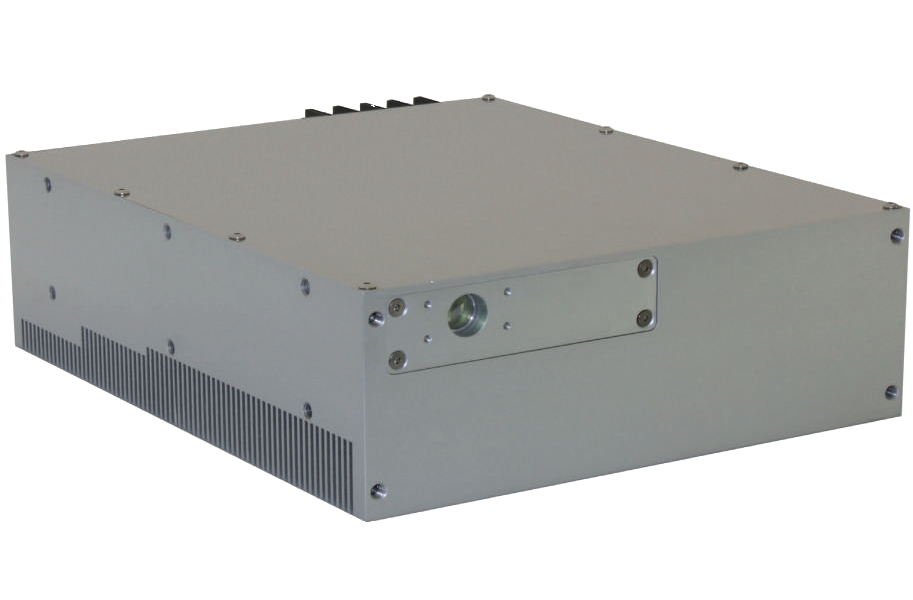
 BUY NOW
 Aero
DPSS Laser, ns pulsed, 266-1064nm, up to 200mJ, up to 500Hz
Key Features:
- High-energy ns DPSS platform: 266/355/532/1064 nm
- Up to 200 mJ pulse-energy configurations
- Air, conductive & water-cooled options by configuration
- Low-SWaP, rugged platform for demanding integration environments
- Multi-wavelength, beam-shaping, 28 V DC, and custom packaging option
Aero is a great fit for applications where pulse energy, wavelength, rugged packaging, beam delivery, cooling, and environmental requirements may drive the final configuration.
Tell us about your application and laser requirements. RPMC can help determine which Bright Solutions platform is the right starting point.

POPULAR CONFIGURATIONS:
Picture |
Part Number |
Part Description |
Datasheet |
|
|---|---|---|---|---|
|
Aero 100mJ 1064 |
DPSS Nanosecond Laser, 1064nm, 100mJ, <20ns, up to 30Hz |

|
Get Quote |
|
|
Aero 50mJ 1064 |
DPSS Nanosecond Laser, 1064nm, 50mJ, <20ns, up to 100Hz |
|
Get Quote |
|
|
Aero 40mJ 532+1064 |
DPSS Nanosecond laser, 532nm, 40mJ, <20ns, up to 50Hz, residual 1064nm collinear beam |
|
Get Quote |
|
|
Aero 20mJ 532+1064 |
DPSS Nanosecond laser, 532nm, 20mJ, <20ns, up to 100Hz, residual 1064nm collinear beam |
|
Get Quote |
|
|
Aero 10mJ 355+532+1064 |
DPSS Nanosecond laser, 355nm, 10mJ, <20ns, up to 100Hz, residual 532 and 1064 collinear beams |
|
Get Quote |
|
|
Aero 20mJ 355+532+1064 |
DPSS Nanosecond laser, 355nm, 20mJ, <20ns, up to 50Hz, residual 532 and 1064 collinear beams |
|
Get Quote |
|
|
Aero 12 mJ 266+532+1064 |
DPSS Nanosecond laser, 266nm, 12mJ, 266nm, <20ns, 50Hz, air-cooled up to 20 Hz, water-cooled up to 50 Hz, residual 532 and 1064 beams |
|
Get Quote |
|
|
Aero 6mJ 266+532+1064 |
DPSS Nanosecond laser, 266nm, 12mJ, 266nm, 6mJ, 266nm, <15ns, 100Hz, air-cooled up to 50 Hz, water-cooled up to 100 Hz, residual 532 and 1064 beams |
|
Get Quote |
The Aero series is a high-pulse-energy nanosecond DPSS laser platform for applications that require mJ-class pulse energy, rugged low-SWaP packaging, and application-specific configuration. Available at 266, 355, 532, and 1064 nm, Aero is a strong starting point for LIDAR, LIBS, spectroscopy, atmospheric sensing, microelectronics, FPD repair, and high-energy pulsed research or OEM systems.
Aero is especially useful when the application depends on pulse energy, beam delivery, cooling method, package constraints, environmental requirements, or multi-wavelength output. Standard and custom versions are available, with options such as beam expanding/collimating optics, external beam separation, beam shaping, circular polarization, 28 V DC input, and extended operating temperature range.
Start with Aero when your application depends on:
- 266, 355, 532, or 1064 nm nanosecond operation
- High pulse energy or high peak power
- Lower-repetition-rate operation compared with compact high-rep platforms
- Low-SWaP, rugged, or airborne-style packaging requirements
- Air, conductive, or water-cooling options
- Multi-wavelength output, beam shaping, or beam-separation requirements
- Environmental, vibration, qualification, or custom integration review
Aero is often a good starting point when high pulse energy, rugged low-SWaP packaging, beam shaping, or custom multi-wavelength configuration is central to the application. If your requirements are closer to a compact nanosecond DPSS source, Onda or SOL may be a better starting point. If you need broader wavelength coverage or ns/ps short-pulse flexibility, compare against Wedge. For ultra-compact microchip packaging, compare against SB1. For 532/1064 nm MOPA-style sub-ns performance or high average power, compare against Vento.
Tell us about your application and laser requirements:
Share your wavelength, pulse energy, pulse width, repetition rate, trigger/timing needs, output format, package constraints, and application. RPMC can help determine whether Aero or another Bright Solutions platform is the right starting point.
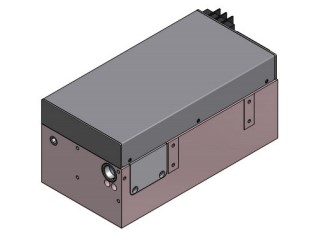
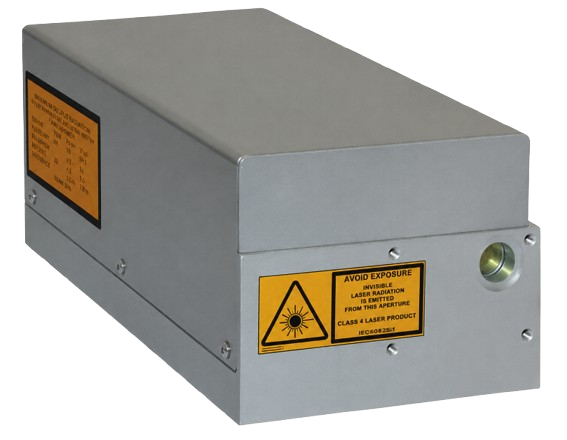
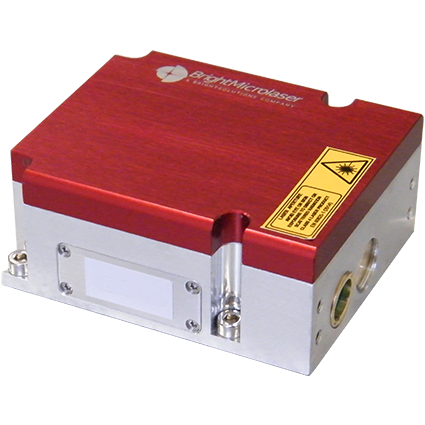
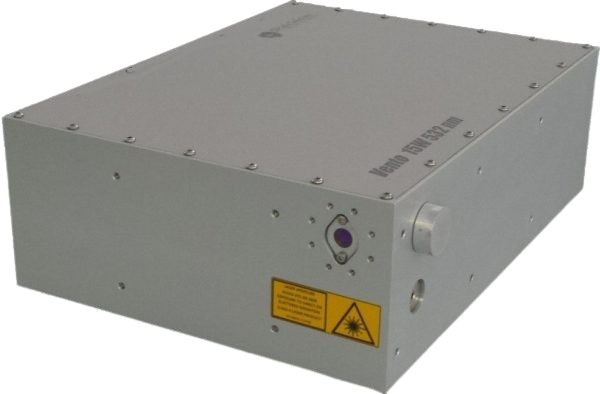
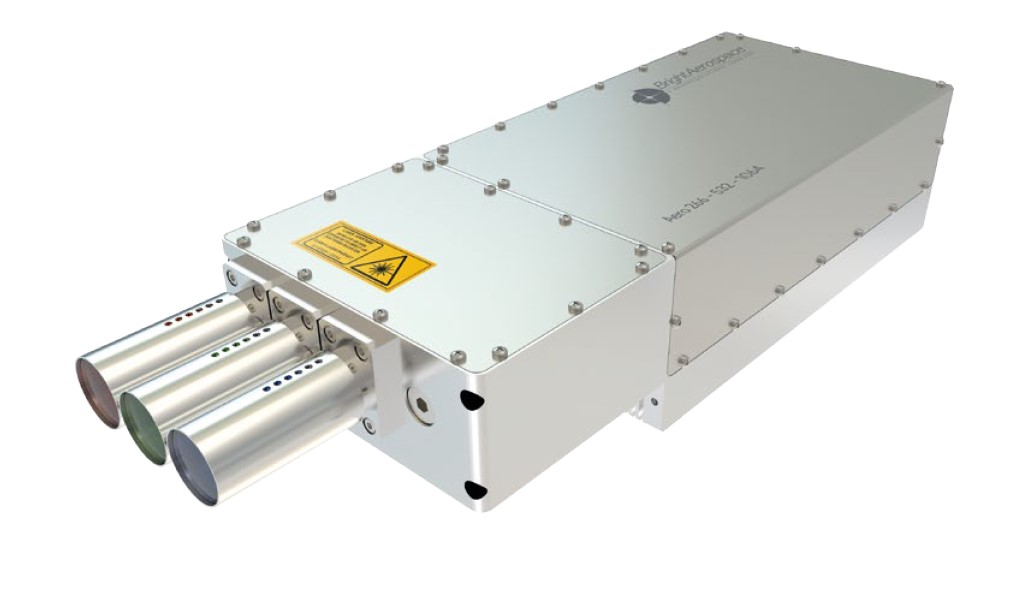
Aero DPSS Laser Platform Examples:
Customization options are available. Let us know what you need!

Benefits:
- Standard & custom solutions for your application:
Select a standard configuration or work with our team to define your requirements and get exactly what you need. - Low SWaP, ruggedized & airborne-ready:
Compact, lightweight, efficient, and resistant to vibration, ideal for use in harsh environments.
Severe vibration & qualification tests for operation in space. - Conductive or water-cooling options:
Balance thermal management efficiency and total system footprint, depending on your application requirements.
- Q-switch burst mode option:
High peak power pulses in short bursts, enhancing flexibility for applications like material processing & pulsed laser deposition. - Multi-wavelength configurations:
Enables a wider range of applications and materials, providing greater flexibility & precision in processing, analysis, and research. - Beam expanding and collimating optics:
Enhances accuracy and precision of laser beam targeting and analysis, improving overall results and system flexibility. - Custom beam shaping (e.g., round or square flat-top profile):
Adapt the laser beam output to specific application requirements, improving performance and results.
Optional Add-Ons:
- Extended operating temperature range
- Beam expanding and collimating optics
- External beam separator & beam shaper
- 28 V DC input for airborne installation
- Circular polarization
- AC-DC power supply
Ready to confirm an Aero configuration?
Send RPMC details of your application and laser requirements:
- application
- target wavelength
- timeline
- quantity
- average power
- pulse energy
- pulse width
- repetition rate
- trigger/timing needs
- output format
- package constraints
- cooling preference
We’ll help confirm whether Aero, another Bright Solutions platform, or a custom DPSS configuration is the best fit.
| Wavelength (nm) | |
|---|---|
| Description | |
| Type | Pulsed DPSS Lasers, Airborne Laser, Multi Wavelength, Low SWaP, Ruggedized, High Pulse Energy, High Peak Power, Customizable |