 BUY NOW
 BK-FL-CW
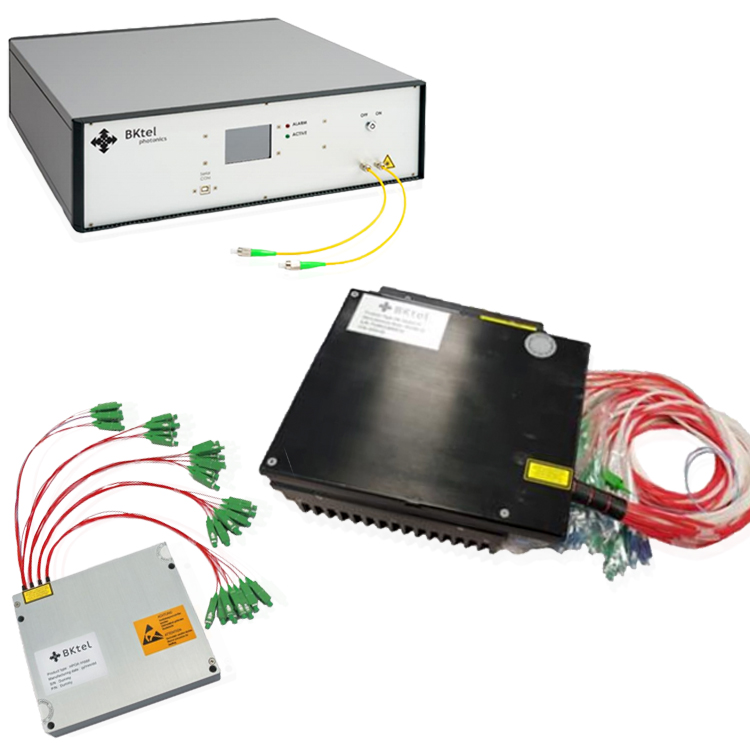
CW fiber lasers, narrow-linewidth sources & ASE broadband sources, 1, 1.5 & 2 µm, up to 100 W
Key Features:
- 1, 1.5 and 2 µm CW fiber laser options for industrial, scientific, LiDAR and test systems
- Up to 100 W at 1 µm, 30 W at 1.5 µm and 40 W at 2 µm on selected configurations
- High-power CW, narrow-linewidth and ASE broadband source architectures
- Random or linear polarization options depending on family
- CW and modulated operation with modulation up to 2 kHz on selected configurations
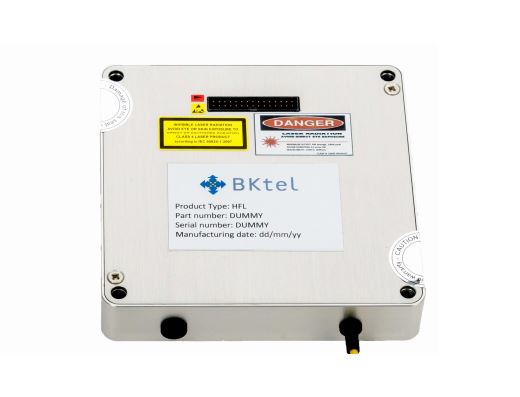
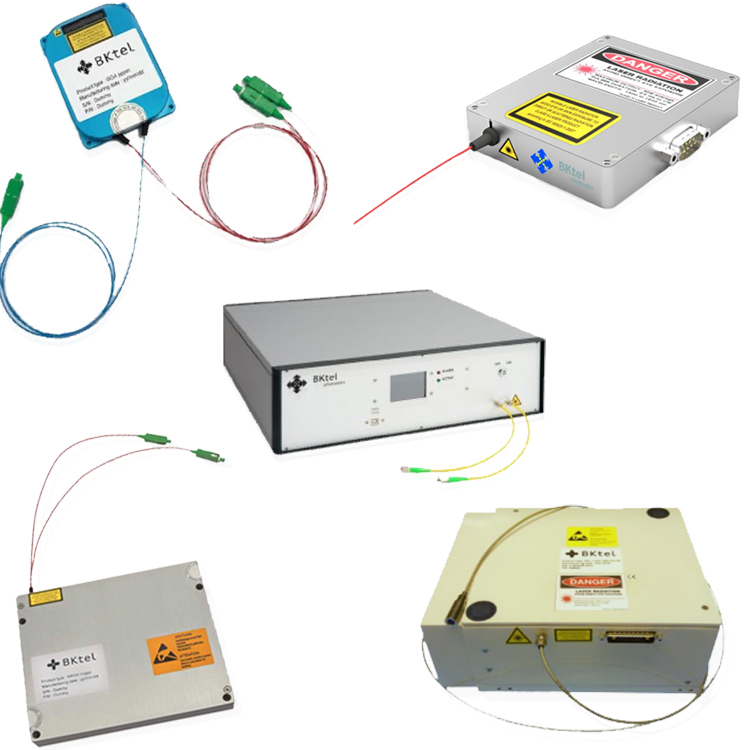
- Compact OEM modules and turnkey tabletop systems with custom variants available
Start with what the source needs to do – provide high-power CW or modulated output, narrow-linewidth coherent output, or broadband ASE illumination – then narrow the wavelength, power, polarization, modulation, package and optical interface.
Not sure where to start? Send RPMC your wavelength, output power, linewidth or spectral requirements, polarization, modulation needs, package preference & application. We’ll help narrow the BK-FL-CW configuration.
POPULAR CONFIGURATIONS:
Picture |
Part Number |
Part Description |
Datasheet |
|
|---|---|---|---|---|
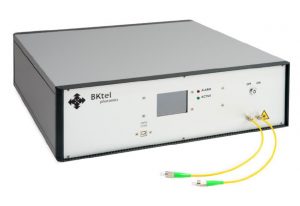
|
THFL-1 |
CW Fiber Laser, 1060-1080nm, Up to 100W |

|
Get Quote |
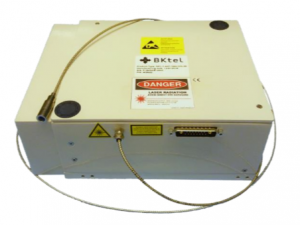
|
MFL-1 |
CW Fiber Laser, 1060-1080nm, Up to 60W |
|
Get Quote |
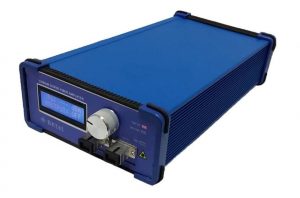
|
TBS-C |
CW Fiber Laser, 1529-1565nm, Up to 22dBm, ASE Source |
|
Get Quote |
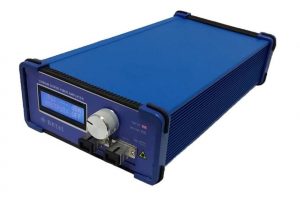
|
TBS-CL |
CW Fiber Laser, 1529-1610nm, Up to 22dBm, ASE Source |
|
Get Quote |
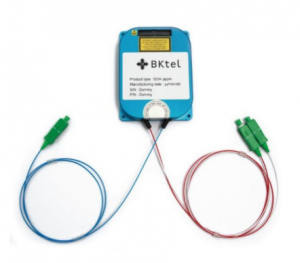
|
GBS-L |
Broadband CW Fiber Laser, 1529-1610nm, Up to 158mW |
|
Get Quote |
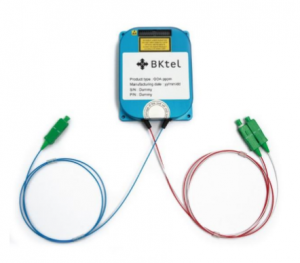
|
GBS-C |
Broadband CW Fiber Laser, 1529-1565nm, Up to 158mW |
|
Get Quote |
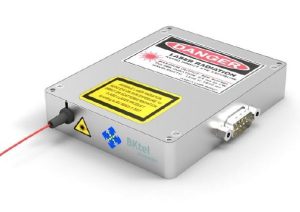
|
LRL2 |
NLW CW Fiber Laser, 1530-1564nm, Up to 1W |
|
Get Quote |
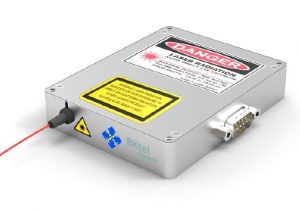
|
LRL |
NLW CW Fiber Laser, 1530-1564nm, 30mW |
|
Get Quote |
|
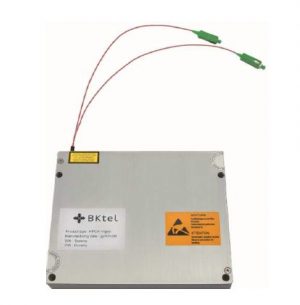
HPFL-P |
CW Fiber Laser, 1535 – 1567nm, Up to 5W |
|
Get Quote |
|
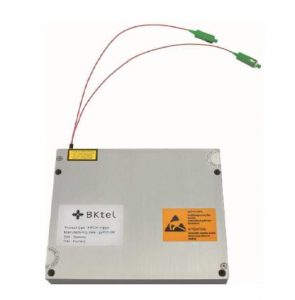
HPFL |
CW Fiber Laser, 1535 – 1570nm, Up to 5W |
|
Get Quote |
|
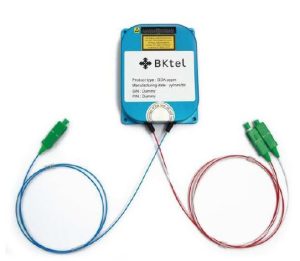
GFL2 |
CW Fiber Laser, 1550 – 1567nm, Up to 2W |
|
Get Quote |
|
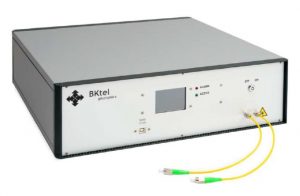
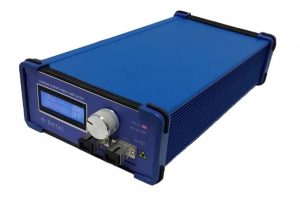
THFL-1.5 |
CW Fiber Laser, 1550 – 1567nm, Up to 30W |
|
Get Quote |
|
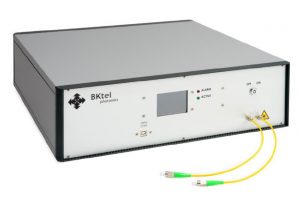
TBS-L |
CW Fiber Laser, 1570-1610nm, Up to 22dBm, ASE Source |
|
Get Quote |
|
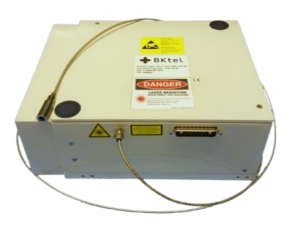
THFL-2 |
CW Fiber Laser, 1760-2050nm, Up to 40W |
|
Get Quote |
|
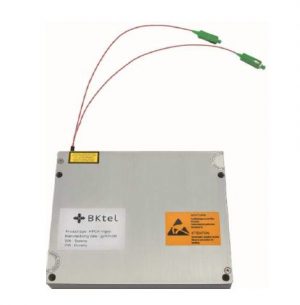
MFL-2 |
CW Fiber Laser, 1760-2050nm, Up to 40W |
|
Get Quote |
|
HPFL-2 |
CW Fiber Laser, 1760-2050nm, Up to 4W |
|
Get Quote |
Overview: BK-FL-CW 1, 1.5 & 2 µm CW Fiber Lasers
The BK-FL-CW family provides configurable fiber-based optical sources across the 1, 1.5 and 2 µm wavelength bands. Options range from high-power CW and CW-modulated fiber lasers to narrow-linewidth sources for coherent systems and non-coherent ASE broadband sources for test and measurement.
High-power configurations are available in compact industrial modules and turnkey tabletop systems, with selected models reaching 100 W at 1 µm, 30 W at 1.5 µm and 40 W at 2 µm. Depending on the source family, options can include power adjustment, modulation, random or linear polarization, output monitoring, fiber-coupled or collimated output, and digital control.
For applications where spectral performance is more important than maximum output power, BKtel also offers narrow-linewidth 1.5 µm sources for coherent LiDAR, ranging and measurement, along with broadband ASE sources in module and benchtop formats.
RPMC can help determine which source architecture, wavelength band and configuration best match the optical and integration requirements of the application.
Start Here by Defining What the Optical Source Needs to Do
BK-FL-CW is the likely starting point when:
- You need a complete CW fiber laser rather than amplification of an existing seed source.
- Your system needs high CW output power in the 1, 1.5 or 2 µm wavelength bands.
- You need CW output with power adjustment or modulation on selected configurations.
- Narrow linewidth, low RIN or single-frequency operation is important for coherent detection, LiDAR or precision measurement.
- You need a broadband ASE source rather than a narrow laser spectrum.
- Your system requires a compact OEM module, integrated industrial source or turnkey tabletop configuration.
If you already have a seed laser and primarily need additional optical power, start with the BK-FA-CW fiber amplifier family.
If the application requires nanosecond or picosecond pulses rather than continuous-wave operation, start with the BK-FL-Pulsed family.
Which BKtel CW Source Architecture Should You Start With?
| Source Type | Primary Characteristic | Available Formats | Start Here When… |
|---|---|---|---|
| High-Power CW / Modulated Fiber Laser | Continuous optical output with high power and selected modulation capability | OEM / industrial module and tabletop | Power, wavelength and integration are the primary requirements. |
| Narrow-Linewidth / Single-Frequency Source | High spectral coherence, low linewidth and low-noise operation | Compact fiber-coupled modules | Coherent LiDAR, ranging, frequency-sensitive measurement or long coherence length drives the source selection. |
| ASE Broadband Source | Broad, non-coherent optical spectrum rather than narrow laser emission | Compact module and tabletop | Broadband illumination or test and measurement requires spectral coverage rather than a narrow laser line. |
How to Configure a BK-FL-CW Fiber Laser or Optical Source
Once the source architecture is defined, use the optical and system requirements to narrow the wavelength family and final configuration.
- Define the required wavelength or spectral range.
Start with the required 1, 1.5 or 2 µm operating band. For broadband sources, define the required C-band, L-band or broader spectral coverage. - Choose the source architecture.
Determine whether the system needs high-power CW or modulated laser output, narrow-linewidth coherent emission, or broadband ASE illumination. - Set the output-power requirement.
Choose the power needed at the system interface while accounting for wavelength, package, cooling and any modulation requirements. - Define spectral and polarization requirements.
Specify linewidth, coherence, RIN, polarization and wavelength stability when these characteristics affect system performance. - Define modulation and control requirements.
Selected BKtel CW laser families support power adjustment, modulation and digital communications. Identify the modulation frequency, triggering or control interface required by the system. - Choose the package and optical output.
Consider OEM module vs. tabletop format, fiber-coupled or collimated output, connector type, beam size, cooling, environmental constraints and production quantity.
Need a CW Fiber Source Outside the Published Configurations?
BKtel supports custom fiber laser and optical-source variants when a standard configuration is close to the requirement but does not fully address the wavelength, output power, spectral characteristics, polarization, modulation, packaging or interface needs of the system.
Send RPMC the requirements that must stay fixed and where the design has flexibility. We can help determine whether an existing source, modified platform or custom configuration is the practical starting point.
BK-FL-CW Fiber Laser & Optical Source Applications
BKtel CW fiber sources cover several different optical roles, from high-power industrial and laboratory lasers to coherent narrow-linewidth sources and broadband ASE illumination.
Coherent LiDAR, Rangefinding & Remote Sensing
Narrow-linewidth and low-RIN 1.5 µm sources support coherent LiDAR, Doppler and long-range sensing systems where frequency stability, coherence and signal quality are more important than maximum optical power.
Industrial & Material Processing
High-power 1 and 2 µm CW fiber lasers can support industrial systems that require stable continuous optical power, controllable output and robust integration. Published BKtel MFL configurations reach up to 60 W at 1 µm and 40 W at 2 µm.
Test, Measurement & Optical Characterization
CW lasers, narrow-linewidth sources and ASE broadband sources provide different starting points for optical testing, component characterization, metrology and laboratory systems depending on whether the measurement requires optical power, spectral coherence or broad wavelength coverage.
OEM, Scientific & Laboratory Integration
Module and tabletop architectures allow the source to be selected around wavelength, power, polarization, spectral performance, package size and optical interface for scientific instruments, laboratory systems and specialized OEM equipment.
What Does RPMC Need to Help Configure Your CW Fiber Source?
Send as many of these as you know:
- Required wavelength or spectral range
- Required output power
- CW or modulated operation
- Required modulation frequency, if applicable
- Linewidth or coherence requirements
- RIN or other signal-noise requirements, if critical
- Polarization requirements
- Fiber-coupled or collimated output requirements
- Connector or beam-size requirements
- OEM module or tabletop preference
- Size, cooling, power or environmental constraints
- Application, quantity and project timeline
You do not need to decide between a high-power laser, narrow-linewidth source or ASE source before contacting RPMC.
We can help translate the optical requirements into the appropriate BKtel source architecture and configuration.
BKtel CW Fiber Laser FAQs
Common questions about BKtel CW fiber lasers, narrow-linewidth sources, ASE broadband sources, wavelength bands, output power and OEM configurations.
What wavelength bands are available from BKtel CW fiber lasers?
BKtel offers CW fiber laser platforms across the 1, 1.5 and 2 µm bands. Published high-power configurations include approximately 1060-1080 nm at 1 µm, multiple wavelengths and ranges around 1.5 µm, and approximately 1750-2050 nm at 2 µm.
How much CW output power is available?
Published BKtel tabletop configurations reach up to 100 W at 1 µm, 30 W at 1.5 µm and 40 W at 2 µm. Available power depends on wavelength, source architecture, package and other configuration requirements.
Does BKtel offer narrow-linewidth or single-frequency CW fiber lasers?
Yes. BKtel offers narrow-linewidth 1.5 µm sources for coherent LiDAR, ranging and measurement applications, including published configurations with 10 kHz linewidth and separate single-frequency platforms with linewidth below 50 kHz.
What is the difference between a CW fiber laser and an ASE broadband source?
A CW fiber laser produces laser output around a defined wavelength or relatively narrow spectral region. BKtel’s ASE broadband sources intentionally produce a broad, non-coherent optical spectrum and are better suited when spectral coverage is more important than narrow-line laser emission.
Does BKtel offer 1.5 µm “eye-safe” CW fiber laser options?
Yes. BKtel offers multiple CW fiber laser configurations around 1.5 µm and describes this wavelength region as “eye-safe” for selected products. Final laser-safety classification depends on the complete system, output power, beam characteristics, optics and operating conditions.
Can BKtel CW fiber lasers be customized for OEM applications?
Yes. BKtel supports custom variants across its CW fiber laser and optical-source families. Depending on the platform, RPMC can help evaluate wavelength, power, polarization, linewidth, modulation, package, optical interface and control requirements.
| Wavelength (nm) | |
|---|---|
| Description | |
| Type | "Eye Safe", CW Fiber Lasers, Broadband Lasers, Narrow Linewidth, Fiber-Coupled, Turn-Key System, Customizable |