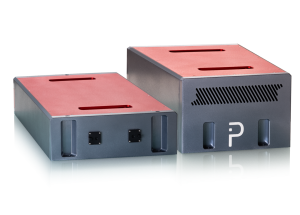

FSX

Fiber Laser, fs pulsed, 780 920 or 1030nm, Tunable option, >10 W, 100 MHz, <140fs

Key Features:

  • Turn-key system
  • Multi-output configurations
  • Fixed & tunable wavelengths
  • Ultra-short pulses
  • Broad application support
  • Ultra-low RIN/phase noise
  • Air-cooled & compact
  • Fiber or free-space output

Get help selecting the right configuration for you!

If you do not see exactly what you need, please contact us!
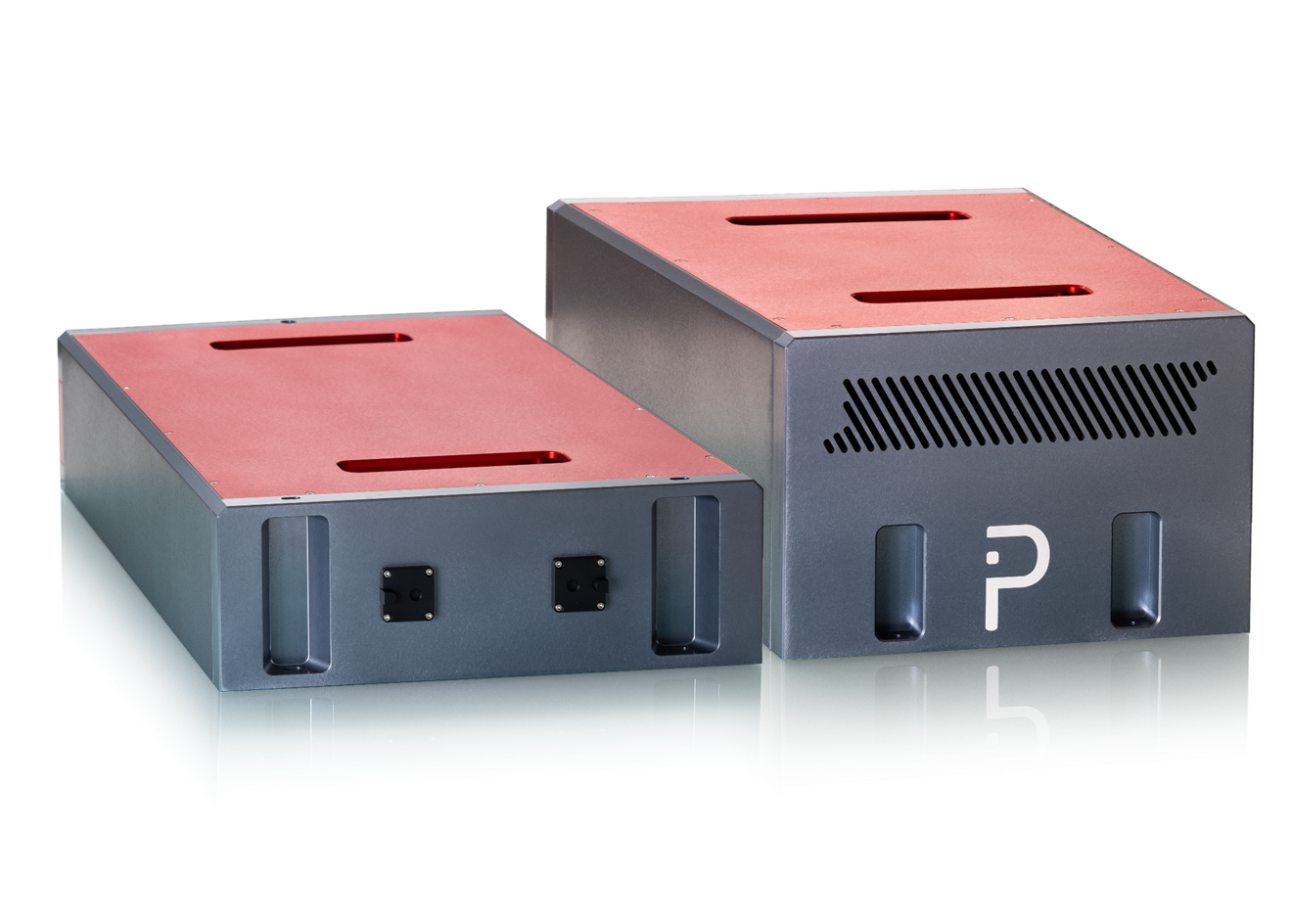
POPULAR CONFIGURATIONS:

Picture
Part Number
Part Description
Datasheet
 
FSX ultra low noise wavelength tunable femtosecond laser FSX-1030-HP

Fiber Laser System, Fixed 1030 nm ± 5 nm, >10 W average power, >100 nJ, <120 fs pulse duration, 100 MHz PRR ± 1 MHz

Get Quote
FSX ultra low noise wavelength tunable femtosecond laser FSX-515-HP

Fiber Laser System, Fixed 515 nm ± 3 nm, >3 W average power, >30 nJ, <120 fs pulse duration, 100 MHz PRR ± 1 MHz

Get Quote
FSX ultra low noise wavelength tunable femtosecond laser FSX-TUNE-EXT

Fiber Laser System, Fixed 1030 nm ± 5 nm @ >500 mW average power @ <125 fs, Tunable 765-935 nm @ >600 mW @ <145 fs, 100 MHz PRR ± 1 MHz

Get Quote
FSX ultra low noise wavelength tunable femtosecond laser FSX-TUNE

Fiber Laser System, Fixed 1030 nm ± 5 nm @ >500 mW average power @ <125 fs, Tunable 835-935 nm @ >600 mW @ <145 fs, 100 MHz PRR ± 1 MHz

Get Quote
FSX ultra low noise wavelength tunable femtosecond laser FSX-DUAL

Fiber Laser System, Fixed 1030 nm ± 5 nm @ >500 mW average power @ <125 fs, Choose 2nd Fixed between 765-935 nm @ >600 mW @ <145 fs, 100 MHz PRR ± 1 MHz

Get Quote

FSX Series: Fixed & Tunable Wavelengths, Turn-Key, Ultra-Low-Noise

The FSX-series is a versatile, turn-key and compact femtosecond laser perfectly matched for a variety of applications, ranging from biophotonics to material science, quantum computing and basic R&D. With its multiple ultra low-noise, wavelength tunable synchronized laser output options, it also enables applications like coherent Raman imaging (CARS, SRS) or multi-spectral excitation 2-photon imaging. The FSX can be equipped with various options like built-in dispersion compensation, fast power modulation, hollow-core fiber delivery and non-linear frequency conversion modules. It can also drive multiple experiments at once, thus saving costs and space. Air-cooling allows sustained 24/7 operation. Temperature fluctuations between 18 °C and 28 °C have no influence on the performance, mitigating concerns about misalignment over time and operating environment.

FSX Series Feature Highlights:

  • Turnkey operation – plug-and-play with <10 min warm-up
  • Multi-output configurations – single, dual, and triple wavelength options
  • Wavelength versatility – fixed & tunable outputs from 765–1570 nm
  • Ultra-short pulses – <140 fs duration for high-resolution imaging
  • Broad application scope – 2P/SHG/THG, FLIM, optogenetics, quantum optics
  • Ultra-low RIN & phase noise – ideal for sensitive modalities like CARS/SRS
  • Air-cooled & compact – no water cooling, easy lab integration
  • Fiber or free-space output – adaptable to various setups
Unique Features of the FSX – DUAL / TUNE / TRIPLE

Unique Features of the FSX:

The FSX – DUAL / TUNE / TRIPLE femtosecond laser is specifically designed for life-science, quantum optics, nonlinear spectroscopy and basic R&D applications. It’s a compact, turn-key, easy-to-use continuously tunable multi-wavelength ultra-low noise femtosecond laser with following characteristics:

  1. Dual and/or triple continuously tunable output wavelengths:
    1. 765 nm – 935 nm
    2. 1030 nm (fixed)
    3. 1120 nm – 1560nm
    4. Other wavelengths like 740 nm or MIR can be accomplished.
    5. SHG, THG modules can be added for complete wavelength coverage from
      the UV to the MIR.
  2. All laser lines (tunable & fixed) are temporally synchronized (same seed laser) with diffraction limited output beams, thus can be spatially and temporally overlapped.
  3. Ultra-low-noise operation: Ultra-low relative-intensity-noise (RIN) and phase noise (timing jitter). RIN shot-noise limited >500 kHz, phase noise <30 fs rms [100 kHz – 10 MHz].
  4. Built-in tunable dispersion pre-compensation.
  5. Built-in 1030 nm AOM.
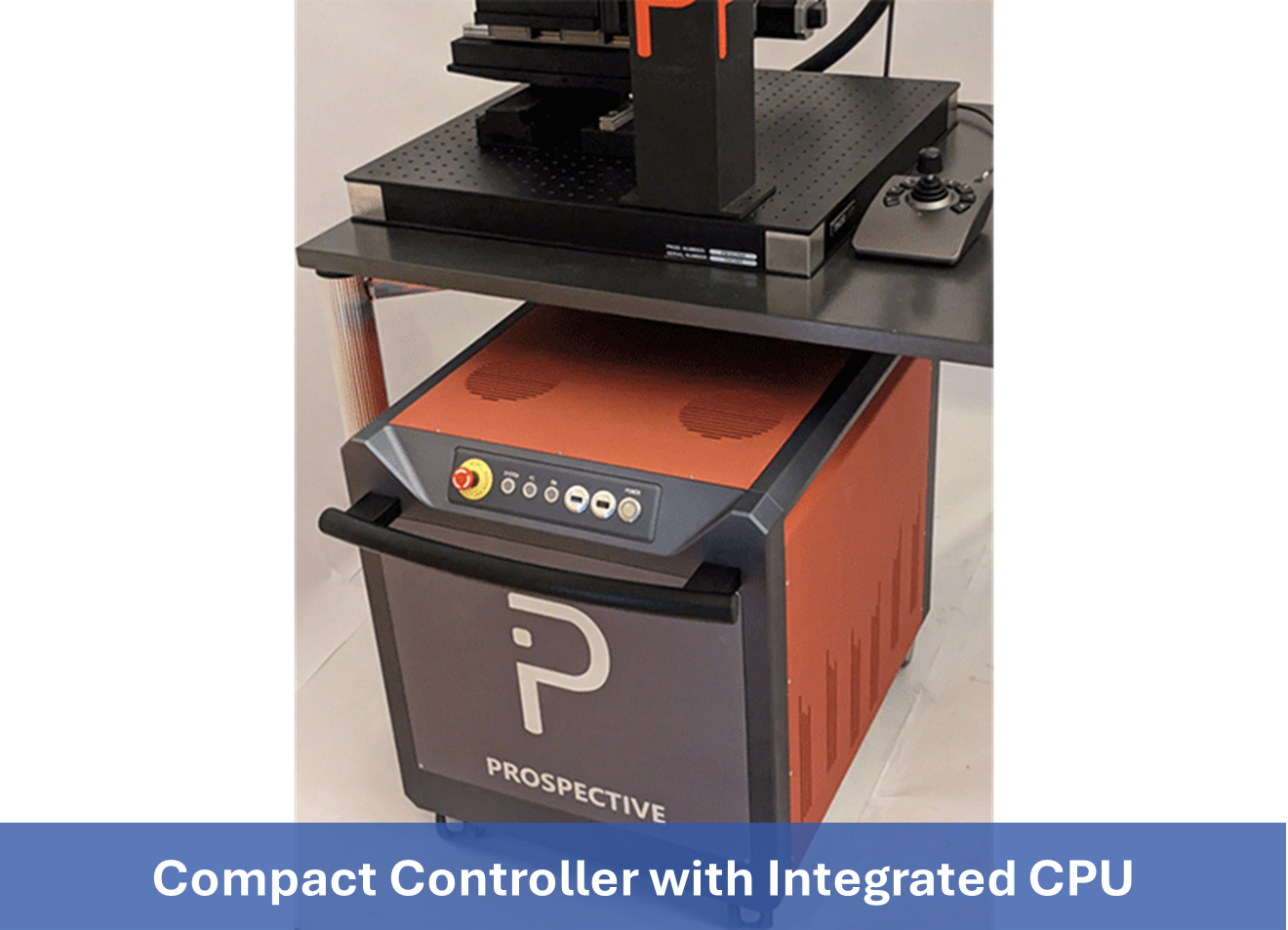
  6. Compact laser head (540 x 350 x 115 mm3) and laser controller (500 x 300 x 200 mm3).
  7. Perfectly suitable for 2-photon, label free SHG/THG microscopy (femtosecond operation) and other application areas, like biophotonic, quantum optics etc. Workhorse for a broad range of existing and future non-linear microscopy techniques without wavelength limitations compared to fixed-wavelength fs lasers.
  8. Perfect match for label-free coherent Raman imaging (CARS & SRS) applications due to it’s dual-line ultra-low-noise operation and inherent pulse train synchronization.
  9. Narrow band passband filters can be introduced on each laser line to reduce bandwidth <20cm-1 (pulses will get longer), enabling CARS and SRS imaging with molecular resolution (chemical specificity)
  10. World-wide most compact continuously tunable laser fits in every room, no need for special facility fittings.

State-of-the-Art Features of the FSX:

  1. Seed laser can be synchronized to an external RF clock via a phase-locked loop. All laser lines will be inherently phase locked to the external clock.
  2. Pulse repetition rate of the FSX laser can be customized within the range of 40 MHz up to 1 GHz. Even awkward pulse repetition rates like 54.12345 MHz are possible.
  3. Both laser lines can be operated simultaneously or individually.
  4. OEM variants available.

Differences to Competing Products:

  1. Compared to fixed wavelength fs lasers which became in fashion at 920 nm, the FSX offers the distinct advantage of providing simultaneous continuously tunable wavelength AND a fixed-wavelength output at only a moderate increase in pricing.
  2. The FSX can serve as a CARS or SRS laser with the right options (built-in AOM for SRS imaging).
  3. Compared to classical Titanium Sapphire lasers, the FSX offers dual output operation and very compact form-factor.
  4. When compared to other lasers used in this space, the FSX is much more compact, turn-key, without the need for a big optical table, expensive maintenance contracts or air-conditioning of the facility.

Unique Features of the FSX – STIM DUAL
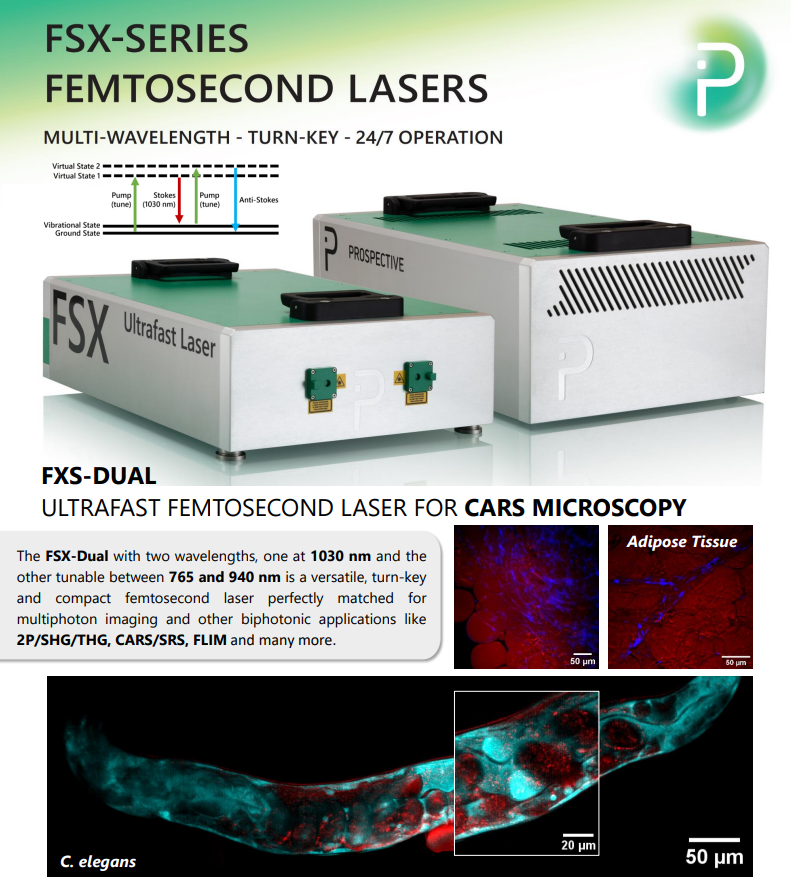
Unique Features of the FSX - STIM DUAL:

datasheet snippet for the Prospective FSX STIM DUAL for CARS microscopy and more

The FSX – STIM DUAL femtosecond laser is specifically designed for optogenetics, life science, quantum optics, nonlinear spectroscopy and basic R&D applications. It’s a compact, turn-key, easy-to-use dual output ultra-low noise femtosecond laser with following characteristics:

  1. Simultaneous dual output laser lines:
    1. For fast (resonant) imaging of RFPs and label free SHG/THG:
      1. Output 1: >1W, <120fs, 60MHz, 1035nm.
    2. For simultaneous photostimulation/optogenetics:
      1. Output 2: Single shot up to 60MHz, <500fs, J pulse energies,
        1035nm.
    3. Both laser lines can be polarization-combined into same beam path.
    4. SHG, THG & FHG modules can be added.
  2. Both laser lines are temporally synchronized (same seed laser) with diffraction limited output beams, thus can be spatially and temporally (or time shifted) overlapped at the target.
  3. Ultra-low-noise operation: Ultra-low relative-intensity-noise (RIN) and phase noise (timing jitter). RIN shot-noise limited >500kHz, phase noise <30fs rms [100kHz – 10MHz].
  4. Built-in (tunable or fixed) dispersion pre-compensation (option).
  5. Built-in 1035nm AOM for single pulse selection (option).
  6. Perfectly suitable for fast 2-photon, label free SHG/THG microscopy and simultaneous photostimulation. Workhorse for a broad range of application areas, like biophotonic, micromachining, quantum optics etc.
  7. Compact laser head (540 x 350 x 115 mm3) and laser controller (500 x 300 x 200 mm3).

State-of-the-Art Features of the FSX - STIM DUAL:

  1. Seed laser can be synchronized to an external RF clock via a phase-locked loop. All laser lines will be inherently phase-locked to the external clock.
  2. Fundamental pulse repetition rate of the FSX laser can be customized within the range of 40MHz up to 1 GHz. Even awkward pulse repetition rates like 54.12345 MHz are possible.
  3. Both laser lines can be operated simultaneously or individually.
  4. OEM variants available.

Differences to Competing Products:

  1. Compared to other lasers for photostimulation, the FSX – STIM DUAL offers simultaneous photostimulation AND fast (resonant-scanner compatible) 2-photon imaging capability out of one single box.
  2. Its compact design and multi-use capability allows for a small footprint, easy installation and ease-of-use at an economic price point.

FSX Options / Warranty

Learn more about the optional add-ons and modality capabilities of the MPX:

Warranty: Up to 5 years in total Built-in AOM for power control / Power attenuator Freq. conversion modules UV, blue, green & red
Python API Fiber coupling Delay line between output 1 & 2
Extended wavelength range into MIR Dispersion pre-compensation 0…-40,000 fs^2 Water cooling
OEM form factor available Narrow linewidth operation <20cm^-1 Picosecond pulse duration

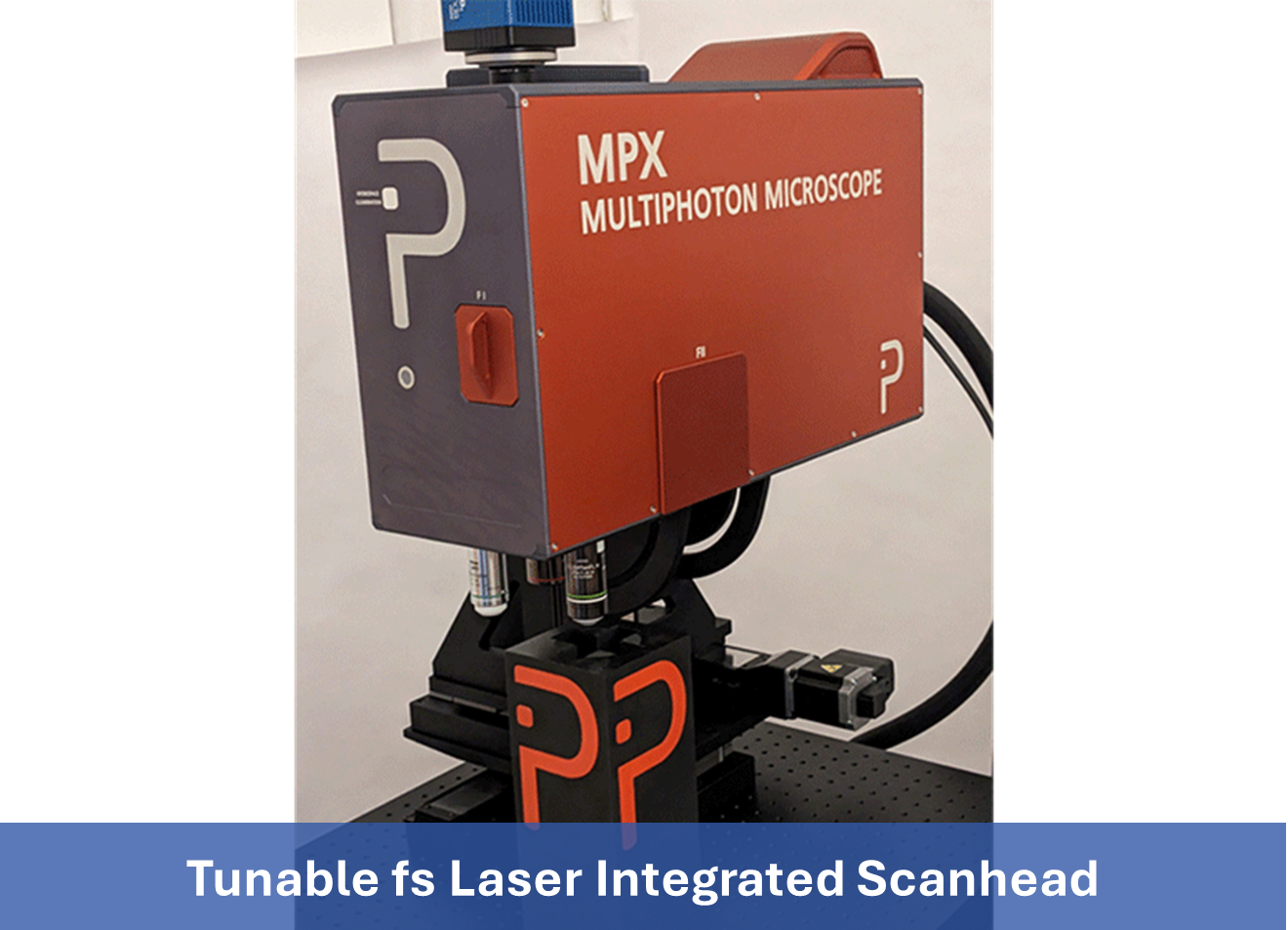
Designed for Use in the MPX & MPC Multimodal Microscopes

See the FSX in action, paired with the MPX's Live Imaging Capabilities:

MPX Series Feature Highlights:

  • Ready to go out of the box – plug-and-play, no setup required
  • All-in-one design – microscope + femtosecond laser in one unit
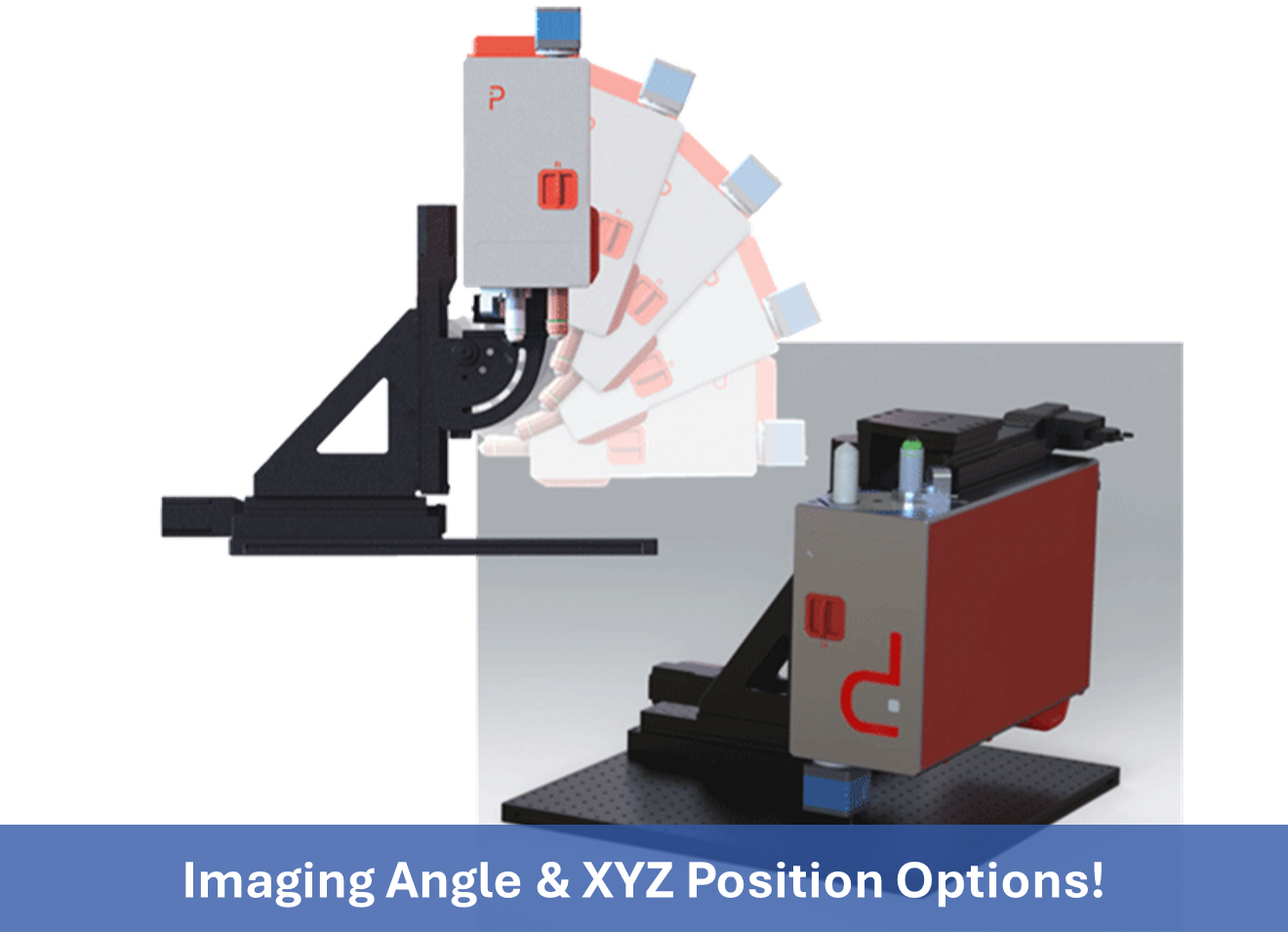
  • 360° scanhead – upright, inverted, and oblique imaging
  • Multimodal imaging – 2P, SHG, THG, FLIM, widefield epi-fluorescence
  • Designed for non-experts – no prior know-how needed for adv. imaging
  • Integrated control software – ScanImage Basic or Premium
  • Ideal for rapid deployment in clinical, educational & mobile settings
  • Fast setup and mobility – great for field labs or shared facilities
  • Learn More About the MPX Here

MPC Series Feature Highlights:

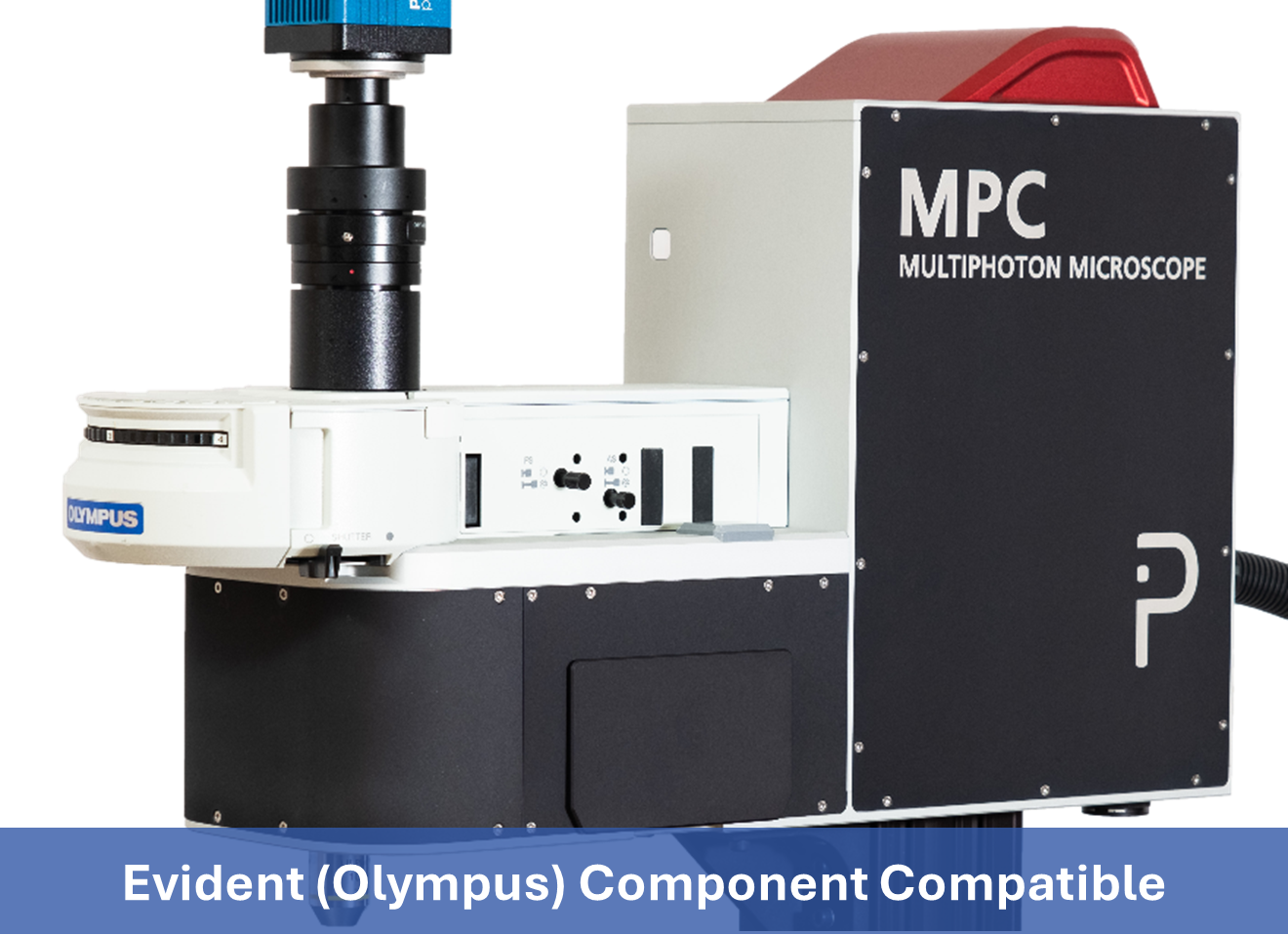
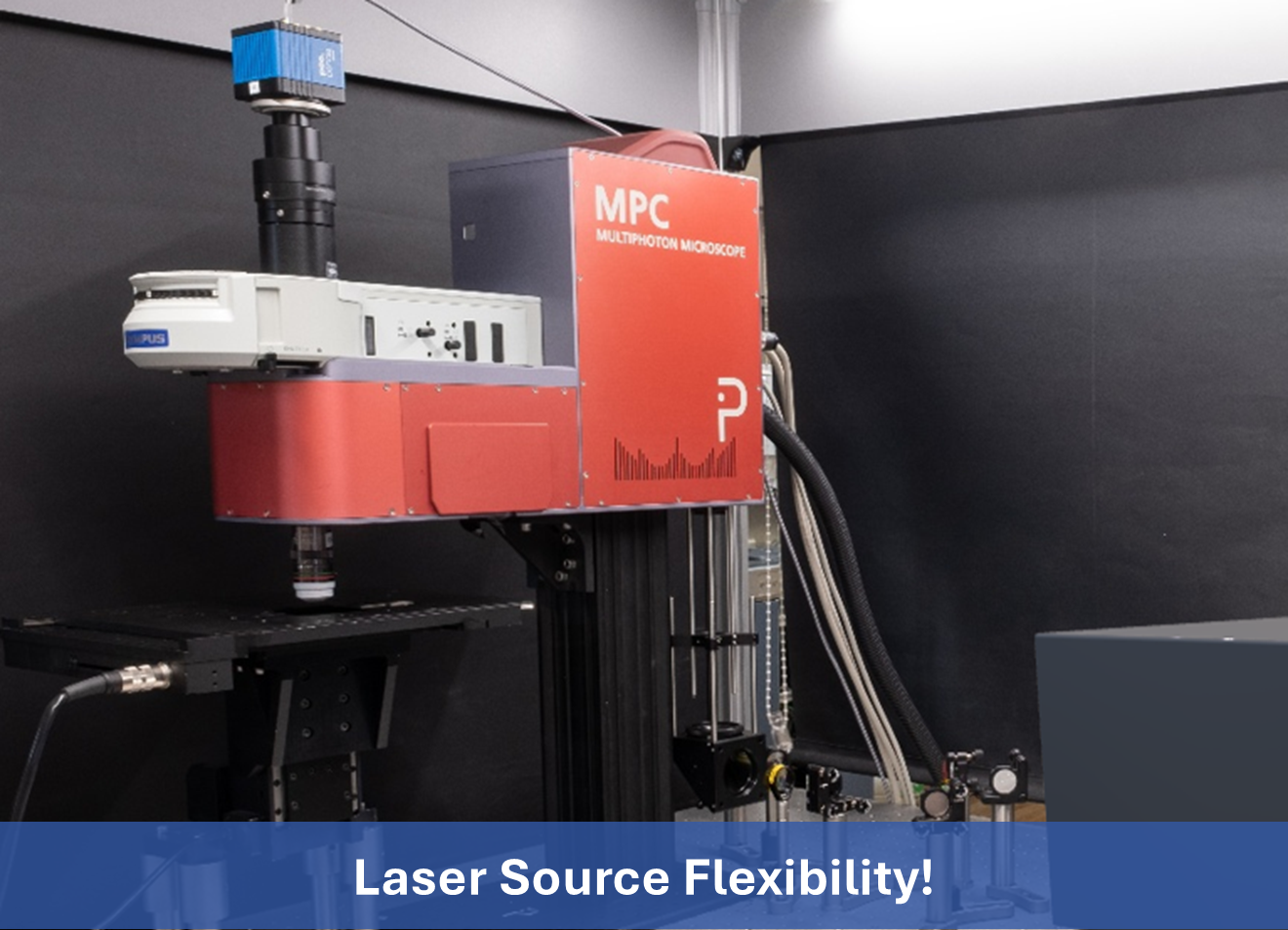
  • Open platform flexibility – supports FSX & 3rd party femtosecond lasers
  • Highly customizable optics – achromatic scan optics (680-1750 nm)
  • Advanced modalities – 2P, 3P, 4P, SHG, THG, CARS, SRS, FLIM
  • Precision scanning – galvo-galvo or resonant-galvo-galvo options
  • Evident® OEM compatibility – tube lenses, filter wheels, binoculars, etc.
  • Ideal for advanced research labs needing tailored configurations
  • Autonomous workflows – Scanimage API & aquisition scripts
  • Optimal fluorescence detection – large collection angle, 2″ achromatic optics
  • Learn More About the MPC Here

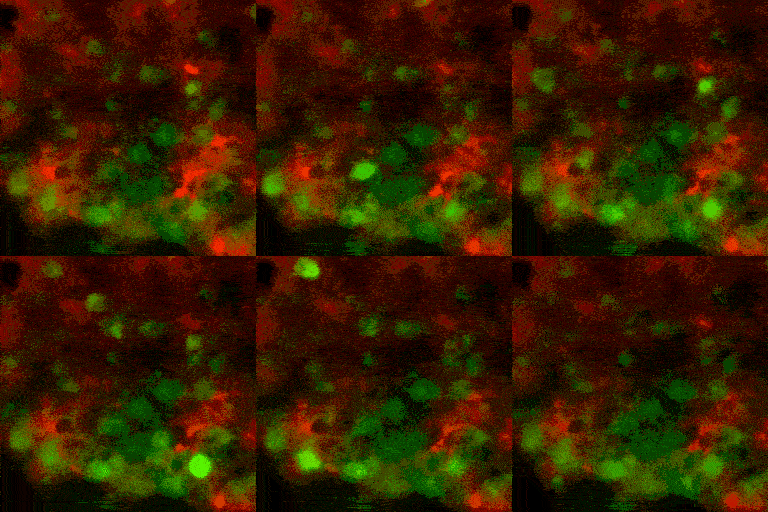
Neurons (GCaMP) and Astrocytes (TexasRed) in the cortex:
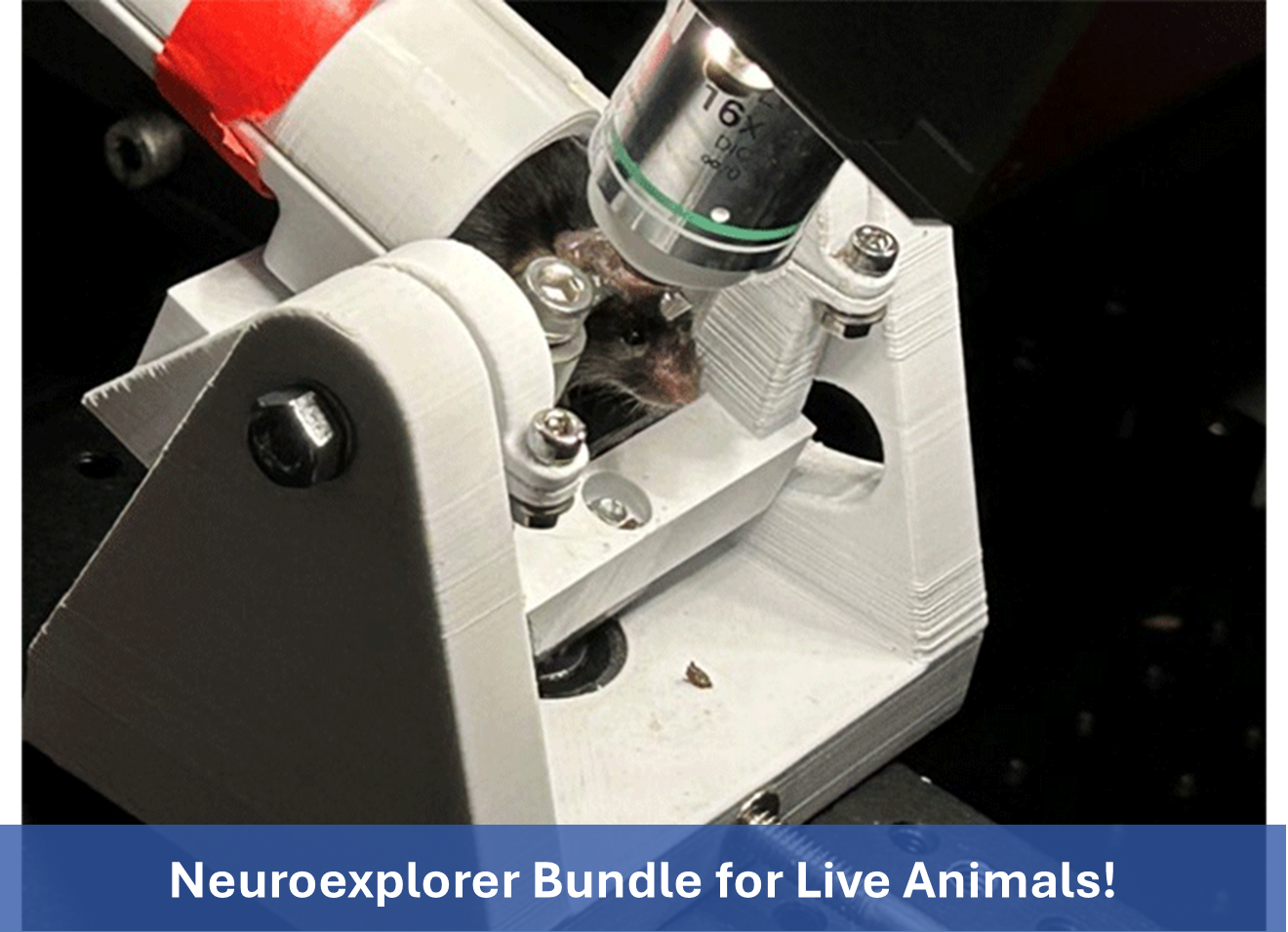
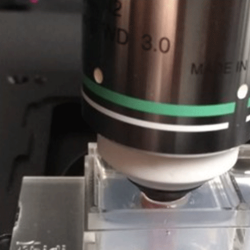
MPX microscope and femtosecond laser with live mouse sample

MPX microscope and femtosecond laser imaging neurons and astrocytes

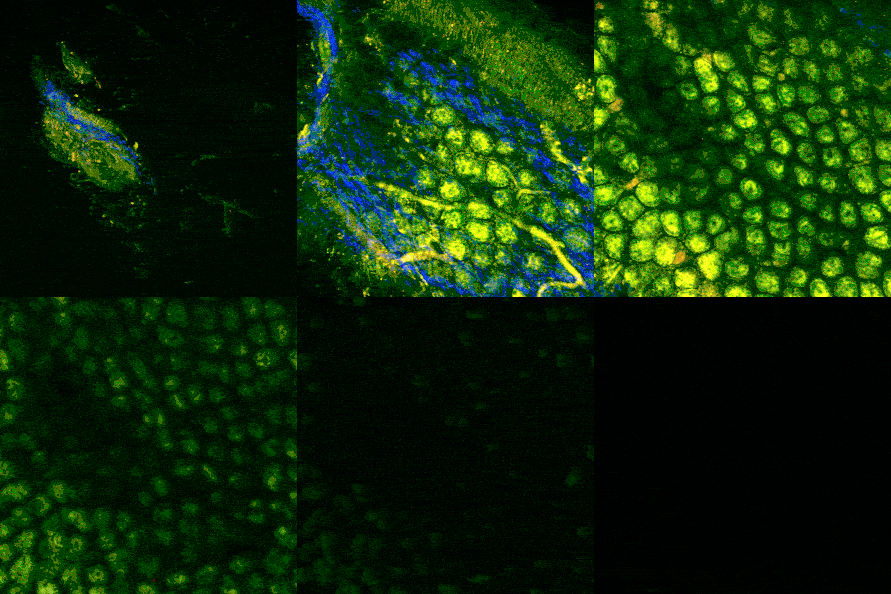
Label-Free Mouse Colon

MPX microscope and femtosecond laser with label free mouse colon sample

MPX microscope and femtosecond laser with label free mouse colon image

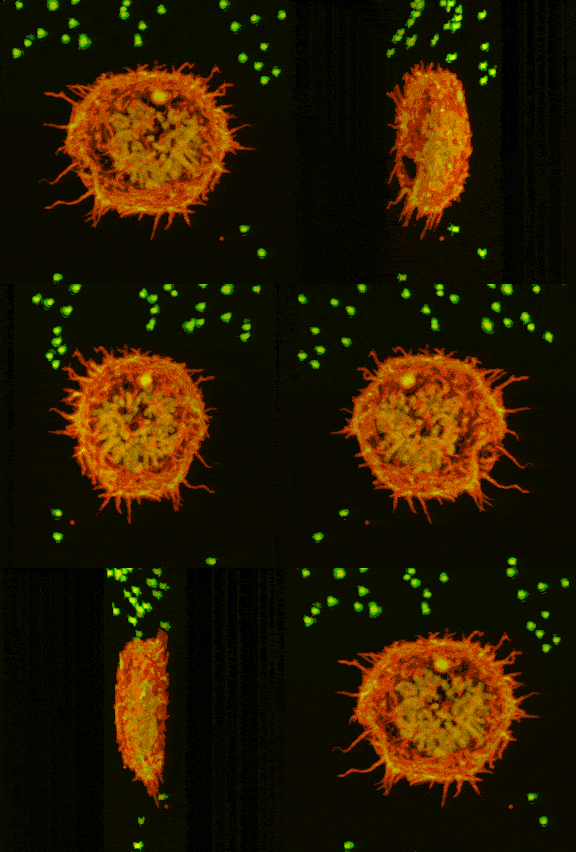
Single Cell Imaging

MPX microscope and femtosecond laser imaging a single cell

Neuronal Tracking in Drosophila

MPX microscope and femtosecond laser performing neuronal tracking in drosophila

Testimonials from Satisfied FSX/MPX Microscope Customers:


Your user-friendly, tunable, femtosecond laser solution awaits!

FSX Series Benefits:

Ready to Use Out of the Box:
  • Our lasers arrive fully assembled, according to your specifications. You don’t need technical assistance to install, tune or setup.
Plug & Play:
  • The lasers are turn-key, allowing them to operate within minutes.
Fixed, Tunable or Fixed+Tunable Wavelength Outputs:
  • You can select between single- and tunable-wavelength outputs. You also have the option of a second fixed or tunable wavelength, which allows you to choose the best option for your application.
Perfectly Matched for 2P/SHG/THG-Imaging:
  • Our lasers are designed to fit any multi-photon imaging system. We will customize them for your specific needs.
Energy Efficient:
  • Reduces operating costs as they operate quietly without producing excessive heat.
Easy to Transport:
  • You can easily transport your lasers to different locations thanks to their compact and robust design.
Compact Design:
  • You can set up your lasers in almost any workspace. The small unit controller can be easily concealed away from the rest of the experiment. The laser head is free and flexible, allowing it to conveniently fit almost anywhere in the setup.
Continuous 24/7 Performance:
  • Industrial reliability in a compact form factor.

FSX Applications:

2D/SHG/THG Microscopy FLIM Microscopy Coherent Raman Imaging (CARS/SRS)
Supercontinuum Generation Quantum Optics Neuroscience & Optogenetics
Terahertz Generation Amplifier Seeding Spectroscopy

Don’t hesitate to ask any questions!
Back to the Prospective Instruments Page

How can we help you?

Talk to one of our experienced product managers today!

Contact us

Pulsed Lasers FAQs

What is a Pulsed Laser?

A pulsed laser is any laser that does not emit a continuous-wave (CW) laser beam. Instead, they emit light pulses at some duration with some period of ‘off’ time between pulses and a frequency measured in cycles per second (Hz). There are several different methods for pulse generation, including passive and active q-switching and mode-locking. Pulsed lasers store energy and release it in these pulses or energy packets. This pulsing can be very beneficial, for example, when machining certain materials or features. The pulse can rapidly deliver the stored energy, with downtime in between, preventing too much heat from building up in the material. If you would like to read more about q-switches and the pros and cons of passive vs active q-switches, check out this blog “The Advantages and Disadvantages of Passive vs Active Q-Switching,” or check out our Overview of Pulsed Lasers section on our Lasers 101 Page!

What is the best laser for LIDAR?

What is the best laser for LIDAR?

There are actually numerous laser types that work well for various LIDAR and 3D Scanning applications. The answer comes down to what you want to measure or map. If your target is stationary, and distance is the only necessary measurement, short-pulsed lasers, with pulse durations of a few nanoseconds (even <1ns) and high pulse energy are what you’re looking for. This is also accurate for 3D scanning applications (given a stationary, albeit a much closer target), but select applications can also benefit from frequency-modulated, single-frequency (narrow-linewidth) fiber lasers. If your target is moving, and speed is the critical measurement, you need a single-frequency laser to ensure accurate measurement of the Doppler shift. If you want to learn more about the various forms of LIDAR and the critical laser source requirements, check out our LIDAR page for a list of detailed articles, as well as all the LIDAR laser source products we offer. Get more information from our Lasers 101, Blogs, Whitepapers, FAQs, and Press Release pages in our Knowledge Center!

What is the best laser for tattoo removal?

What is the best laser for tattoo removal?

The best laser for tattoo removal depends on factors like wavelength versatility, pulse duration, and energy output to effectively target various ink colors while minimizing skin damage. Q-switched or ultrafast lasers with pulse durations of 100 ps to 10 ns and a fluence of ~10 J/cm² are ideal for fragmenting ink via selective photothermolysis. For example, the Lampo 266-1064 nm offers multiple wavelengths (266 nm, 532 nm, 1064 nm) for multi-color tattoos, while the Nimbus 770-1064 nm provides customizable sub-nanosecond pulses for precision. The Quantas-Q1 delivers high pulse energy (up to 32 mJ at 1064 nm) for efficient treatments.

For more details on pulsed lasers for tattoo removal applications, see our blog, “Choosing the Right Laser for Tattoo Removal: Key Considerations‘! Get more information from our Lasers 101, Blogs, Whitepapers, and FAQ pages in our Knowledge Center!

We’re here to offer expert advice & to you help select the right laser for your application.
Contact Us Here or email us at [email protected]!

What is the difference between active and passive q-switching?

There are a wide variety of q-switch technologies, but the technique as a whole can be broken down into two primary categories of q-switches, passive and active. Active q-switches could be a mechanical shutter device, an optical chopper wheel, or spinning mirror / prism inside the optical cavity, relying on a controllable, user set on/off ability. Passive q-switches use a saturable absorber, which can be a crystal (typically Cr:YAG), a passive semiconductor, or a special dye, and automatically produce pulses based on it’s design. Both passive and active q-switching techniques produce short pulses and high peak powers, but they each have their pros and cons. When choosing between actively q-switched and passively q-switched lasers, the key is to understand the tradeoffs between cost/size and triggering/energy and decide which is best for your particular application. Read more about these tradeoffs in this article: “The Advantages and Disadvantages of Passive vs Active Q-Switching.” Get more information from our Lasers 101, Blogs, Whitepapers, FAQs, and Press Release pages in our Knowledge Center!

What type of laser is used for LIBS?

A laser source used for LIBS must have a sufficiently large energy density to ablate the sample in as short a time possible. Typically, pulsed DPSS lasers take center stage here. However, it’s been shown that pulsed fiber lasers can also be a great option. For example, you could utilize fiber lasers to measure detection limits as low as micrograms per gram (µg/g) for many common metals and alloys, including aluminum, lithium, magnesium, and beryllium. Analytical performances showed to be, in some cases, close to those obtainable with a traditional high-energy Nd:YAG laser. The beam quality of fiber lasers, in conjunction with longer pulse widths, resulted in significantly deeper and cleaner ablation craters. If you want to learn more about LIBS and ideal laser sources, check out either this blog: “OEM Fiber Lasers for Industrial Laser Induced Breakdown Spectroscopy,” or this blog: “Laser Induced Breakdown Spectroscopy (LIBS) in Biomedical Applications.” Get more information from our Lasers 101, Blogs, Whitepapers, FAQs, and Press Release pages in our Knowledge Center!

Which IR laser is best for laser target designation?

There are many different types of laser designation systems used by the military today. Still, they all share the same basic functionality and outcome. At a glance, the laser requirements seem relatively straightforward. The laser needs to be invisible to the human eye, and it needs to have a programmable pulse rate. Still, when you look in more detail, many small factors add up to big problems if not appropriately addressed. Excellent divergence and beam pointing stability, low timing jitter, and rugged, low SWaP design are all critical features of a good laser designation source. Read more on these critical features in this article: “What are the Critical Laser Source Requirements for Laser Designation?” Get more information from our Lasers 101, Blogs, Whitepapers, FAQs, and Press Release pages in our Knowledge Center!