 BUY NOW
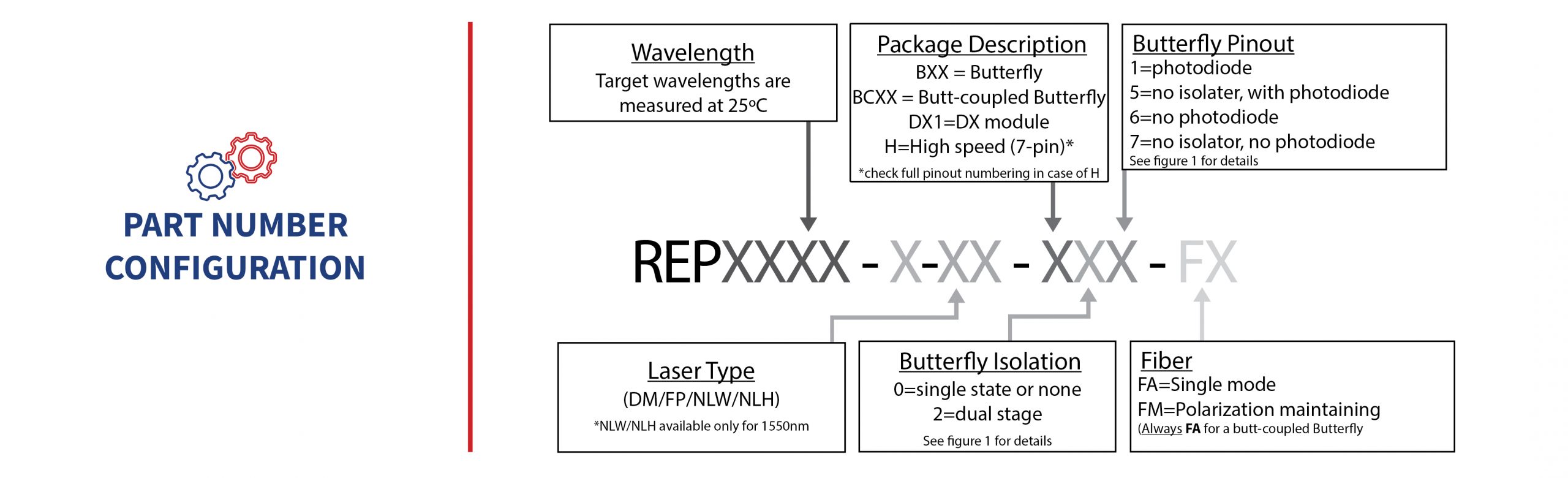
 REPXXXX-DM
Laser Diode, Stabilized, 1278-2327nm, up to 20mW
Key Features:
- Available over multiple absorption bands
- Narrow Linewidth (DFB-like performance)
- Excellent spectral purity
- Wide tunability and mode hop-free performance
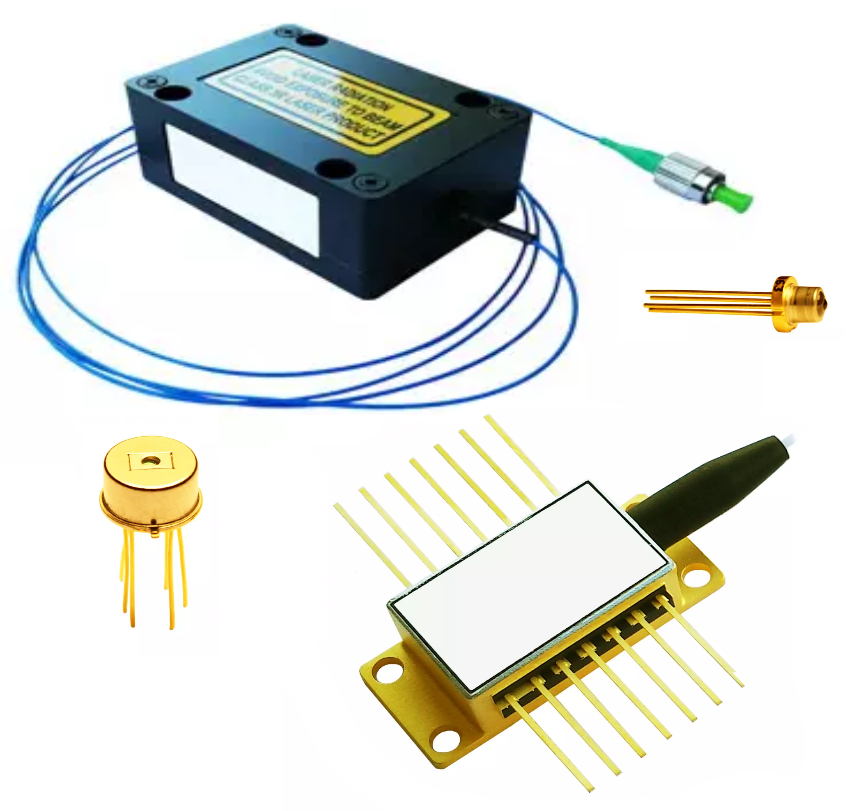
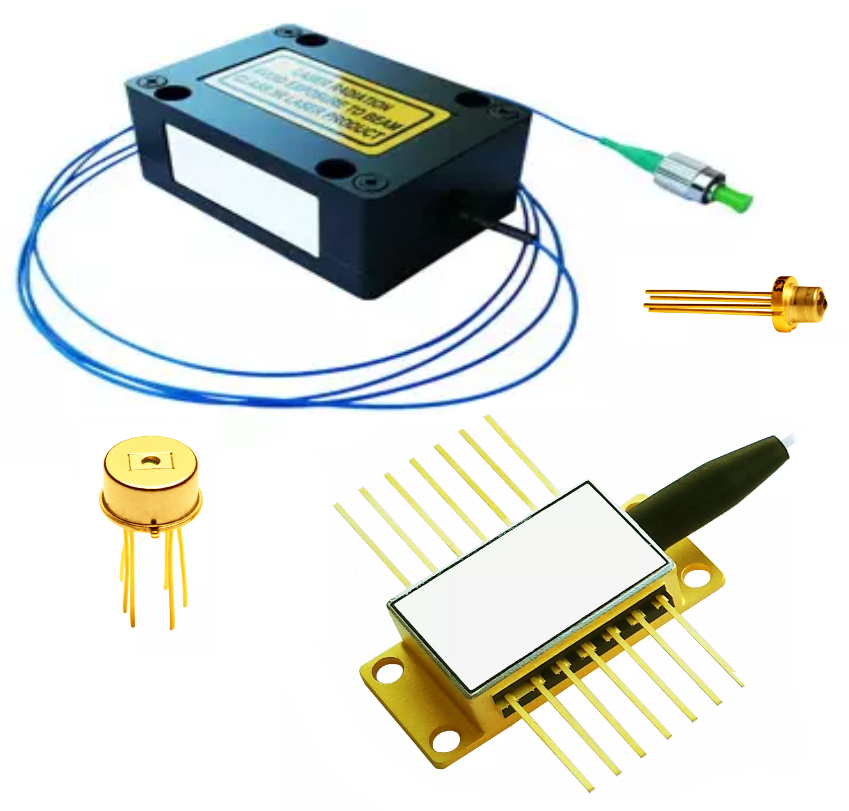
- Free Space, Fiber-Coupled, and DX1 Module Options
- Long Lifetime – Telecom-grade
There are many different package types, wavelengths, output powers, and options to choose from. Get help selecting the right configuration for you!

POPULAR CONFIGURATIONS:
Picture |
Part Number |
Part Description |
Datasheet |
|
|---|---|---|---|---|
|
REP760-0-DM |
Stabilized Laser Diode, SLM, 760nm, Up to ~15mW |

|
Get Quote |
|
|
REP1570-DM |
Stabilized Laser Diode, SLM, 1570nm, Up to ~14mW |
Get Quote | |
|
|
REP1953-DM |
Stabilized Laser Diode, SLM, 1953nm, Up to ~3mW |
|
Get Quote |
|
|
REP2128-DM |
Stabilized Laser Diode, SLM, 2051nm, Up to ~3mW |
Get Quote | |
|
|
REP1550-NLW |
Stabilized Laser Diode, NLW, 1550nm, Up to ~5mW, 100kHz linewidth |
|
Get Quote |
|
|
REP1278-DM |
Stabilized Laser Diode, SLM, 1278nm, Up to ~9mW |
|
Get Quote |
|
|
REP1310-DM |
Stabilized Laser Diode, SLM, 1310nm, Up to ~20mW |
Get Quote | |
|
|
REP1310-ADF |
Stabilized Laser Diode, SLM, 1310nm, Up to ~20mW |
|
Get Quote |
|
|
REP1392-DM |
Stabilized Laser Diode, SLM, 1392nm, Up to ~8mW |
|
Get Quote |
|
|
REP1512-DM |
Stabilized Laser Diode, SLM, 1512nm, Up to ~20mW |
|
Get Quote |
|
|
REP1550-ADF |
Stabilized Laser Diode, SLM, 1550nm, Up to ~1.5mW |
Get Quote | |
|
|
REP1550-DM |
Stabilized Laser Diode, SLM, 1550nm, Up to ~8mW |
|
Get Quote |
|
|
REP1580-DM |
Stabilized Laser Diode, SLM, 1580nm, Up to ~6mW |
|
Get Quote |
|
|
REP1653-DM |
Stabilized Laser Diode, SLM, 1654nm, Up to ~6mW |
|
Get Quote |
|
|
REP1692-DM |
Stabilized Laser Diode, SLM, 1692nm, Up to ~5mW |
|
Get Quote |
|
|
REP1742-DM |
Stabilized Laser Diode, SLM, 1742nm, Up to ~6mW |
|
Get Quote |
|
|
REP1854-DM |
Stabilized Laser Diode, SLM, 1854nm, Up to ~5mW |
|
Get Quote |
|
|
REP1877-DM |
Stabilized Laser Diode, SLM, 1877nm, Up to ~8mW |
|
Get Quote |
|
|
REP1950-DM |
Stabilized Laser Diode, SLM, 1950nm, Up to ~2mW |
|
Get Quote |
|
|
REP2000-DM |
Stabilized Laser Diode, SLM, 2000nm, Up to ~2mW |
|
Get Quote |
|
|
REP2004-DM |
Stabilized Laser Diode, SLM, 2004nm, Up to ~4mW |
|
Get Quote |
|
|
REP2051-DM |
Stabilized Laser Diode, SLM, 2051nm, Up to ~2mW |
|
Get Quote |
|
|
REP2108-DM |
Stabilized Laser Diode, SLM, 2108nm, Up to ~1.5mW |
Get Quote | |
|
|
REP2327-DM |
Stabilized Laser Diode, SLM, 2327nm, Up to ~2mW |
Get Quote |
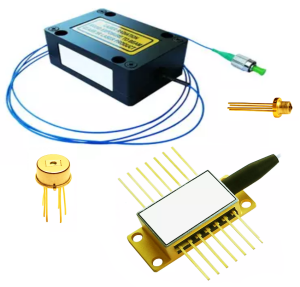
The REP series includes high-performance, tunable, single-frequency (DFB-like) diode lasers and Fabry-Perot laser diodes in wavelengths from 760nm through 2350nm. These laser diodes are designed to address challenges in industries like Gas Sensing, LIDAR, Spectroscopy, and Telecom. The REP series includes high-power and narrow linewidth options, at the most popular wavelengths, and provides customizable units with multiple packaging options, including the Fiber coupled 14-pin butterfly, TO39 (w/TEC), TO56, and DX1 Modules.
We are committed to finding the perfect laser for your application by matching our expertise in laser design with diverse customer requirements, from research to volume production. Our high-performance laser diodes enable our customers to solve problems in various industries, with customizable units that can be tailored to specific needs. Whether you require high power or narrow linewidth options, we offer a range of products at the most popular NIR and SWIR wavelengths to meet your needs. You can trust in our industry-leading performance, consistent production, and integration capability to provide you with your ideal laser solution.
Package Options
Here at RPMC Lasers, we offer a wide range of package configurations to meet your application, operating environment, and integration needs. The table below provides you with a detailed list of all of the different packaging configurations available.
14-pin Butterfly Module
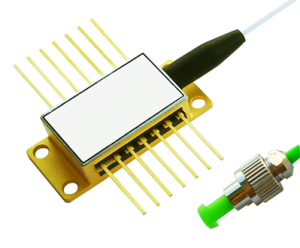
The 14-pin butterfly package is designed with stability and ease of use in mind. Tested to Telcordia standards, it is the ideal package for thermal stability and fiber-coupled integration.
Key features
- Integral TEC
- PM/SMF Coupled with FC/APC
- Built-in Optical Isolator
TO-39 with TEC
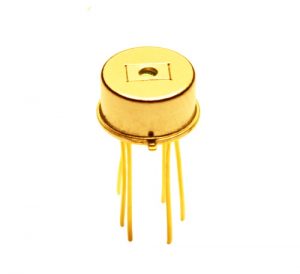
The TO-39 incorporates an internal TEC for accurate wavelength control. We have worked with industrial partners to design a free space package specifically for the gas sensing industry.
Key features
- Integral TEC
- Angled AR Coated Window
- Free-space Design
TO-56
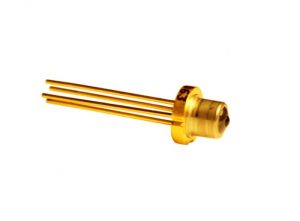
The TO-56 package is tested to Telcordia standard and is RoHS qualified. Available with either a flat window or a ball lens and is typically used for high-volume communications applications.
Key features
- Free-space Design
- Hermetically Sealed
- Flat Window or 1.5 mm Ball Lens
 High-speed 7-pin Butterfly
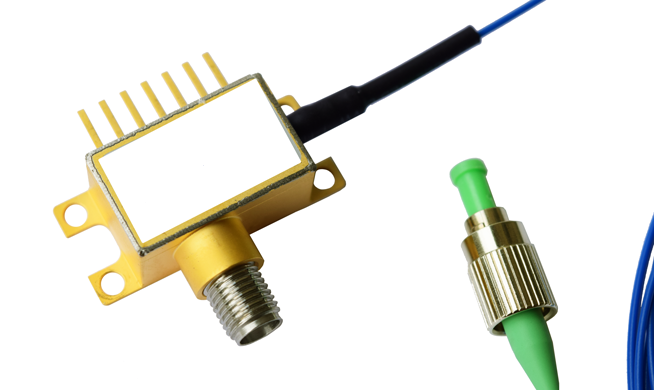 High-speed 7-pin Butterfly
The high-speed and pulsing capabilities of DM and FP laser diodes can be fully exploited using the high-speed 7-pin butterfly, which incorporates a K-connector for modulation up to 10 GHz.
Key features
- K-connector for High-speed Modulation
- PM/SMF Coupled with FC/APC
- Built-in Optical Isolator
DX-1 Module
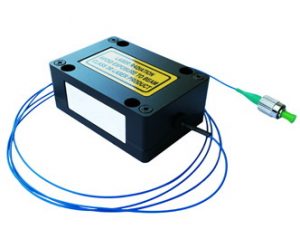
The DX-1 incorporates the butterfly module with an integrated current driver and TEC controller. Designed for ease of operation, it is the ideal platform for high-stability gas detection or remote sensing.
Key features
- Integral Driver and TEC Controller
- PM/SMF Coupled with FC/APC
- Built-in Optical Isolator
- Powered by 5 V DC Source
Benefits:
- High-sensitivity detection of gases such as Oxygen (O2), Carbon Dioxide (CO2), Methane (CH4), Hydrogen Chloride (HCl), Ammonia (NH3), Hydrogen Fluoride (HF), and more!
- Discrete-Mode manufacturing technology, which provides industry-leading performance and fully scalable, consistent production and integration capability.
- Highly customizable units with several package options enable customers to choose the right product for their specific needs.
- High-power and narrow linewidth options give customers the flexibility to optimize performance for their particular applications.
- Various product ranges at the most popular wavelengths provide customers with a wide range of options to choose from.
If you have any questions or need more information, please contact us.
| Wavelength (nm) | 759-764, 1260-1310, 1500-1560, 1550, 1560-1600, 1635-1670, 1720-1770, 2300-2333 |
|---|---|
| Description | |
| Type | "Eye Safe", LD Module, Single Emitter, Narrow Linewidth, Single Longitudinal Mode (SLM), Fiber-Coupled |