 BUY NOW
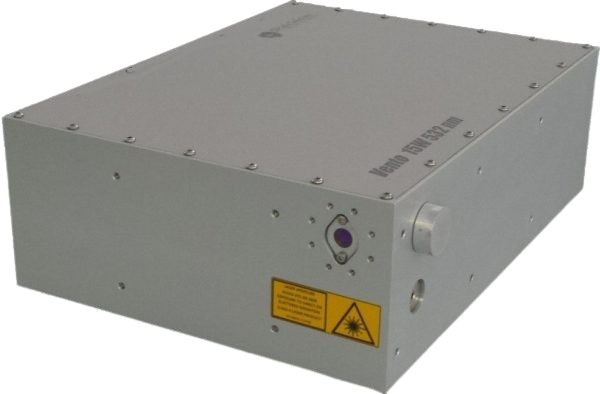
 Vento
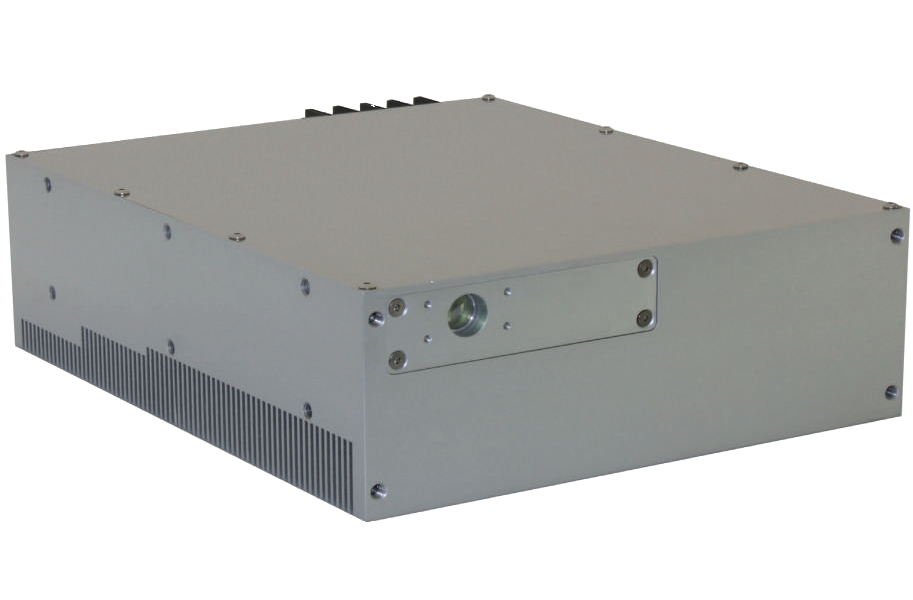
MOPA Laser, ns/ps pulsed, 532-1064nm, up to 1.5mJ, up to 100W, up to 200kHz
Key Features:
- 532/1064 nm MOPA-style pulsed DPSS platform
- Sub-ns/ps-range pulse width & high average-power configs
- Up to 100 W output power and up to 200 kHz operation
- Low-SWaP, rugged, industrial, or MIL-type package options
- Air- or water-cooled, low-jitter, modulation, remote-control, and custom integration options
Vento is a great fit for applications where wavelength, average power, pulse duration, repetition rate, timing, packaging, cooling, and integration requirements may drive the final configuration.
Share your application and laser requirements. RPMC can help determine which Bright Solutions platform is the right starting point.

POPULAR CONFIGURATIONS:
Picture |
Part Number |
Part Description |
Datasheet |
|
|---|---|---|---|---|
|
Vento 40W 1064nm |
DPSS sub-Nanosecond laser 1064nm, 40W, 500ps to 1500ps, 50 to 120kHz or 80 to 200kHz, water-cooled |

|
Get Quote |
|
|
Vento 25W 1064nm |
DPSS sub-Nanosecond laser 1064nm, 25W, 500ps to 1500ps, 50 to 120kHz or 80 to 200kHz, water-cooled |
|
Get Quote |
|
|
Vento 16W 1064nm |
DPSS sub-Nanosecond laser 1064nm, 16W, 500ps to 1500ps, 50 to 120kHz or 80 to 200kHz, water-cooled |
|
Get Quote |
|
|
Vento 20W 532nm |
DPSS sub-Nanosecond laser, 532nm, 20W, 500ps to 1200ps, 50 to 120kHz or 80 to 200kHz, water-cooled |
|
Get Quote |
|
|
Vento 15W 532nm |
DPSS sub-Nanosecond laser, 532nm, 15W, 500ps to 1200ps, 50 to 120kHz or 80 to 200kHz, water-cooled |
|
Get Quote |
|
|
Vento 8W 532nm |
DPSS sub-Nanosecond laser, 532nm, 8W, 500ps to 1200ps, 50 to 120kHz or 80 to 200kHz, water-cooled |
|
Get Quote |
The Vento series is a compact, ruggedized MOPA-style pulsed DPSS laser platform for applications that require 532 or 1064 nm output, short pulse durations, high average power, and tailored integration. With pulse durations down to the hundreds-of-picoseconds range and repetition rates up to 200 kHz, Vento is a strong starting point for applications where average power, timing, packaging, and system-level configuration are central to the laser selection.
Vento is commonly considered for LIDAR and bathymetry, micromachining, thin-film removal, nonlinear spectroscopy, harmonic or parametric generation, fine cutting, harsh industrial environments, and rugged OEM systems.
Start with Vento when your application depends on:
- 532 or 1064 nm operation
- MOPA-style pulsed architecture
- Sub-ns/ps-range pulse durations
- High average-power configurations
- Up to 200 kHz operation
- Low-SWaP, rugged, industrial, MIL-type, or IP-rated packaging options
- Air or water cooling
- Low-jitter, pulse-energy modulation, 28 V DC input, remote-control, or custom integration options
Vento is often a good starting point when the application requires 532/1064 nm pulsed MOPA performance, high average power, short pulse duration, rugged packaging, or tailored integration. If your requirements are closer to a compact nanosecond DPSS source, Onda or SOL may be a better starting point. If you need broader wavelength coverage or ns/ps flexibility across UV, visible, IR, or SWIR wavelengths, compare against Wedge. For high-pulse-energy, lower-repetition-rate requirements, compare against Aero. For ultra-compact microchip packaging, compare against SB1.
Tell us about your application and laser requirements:
Share your wavelength, pulse energy, pulse width, repetition rate, trigger/timing needs, output format, package constraints, and application. RPMC can help determine whether Vento or another Bright Solutions platform is the right starting point.
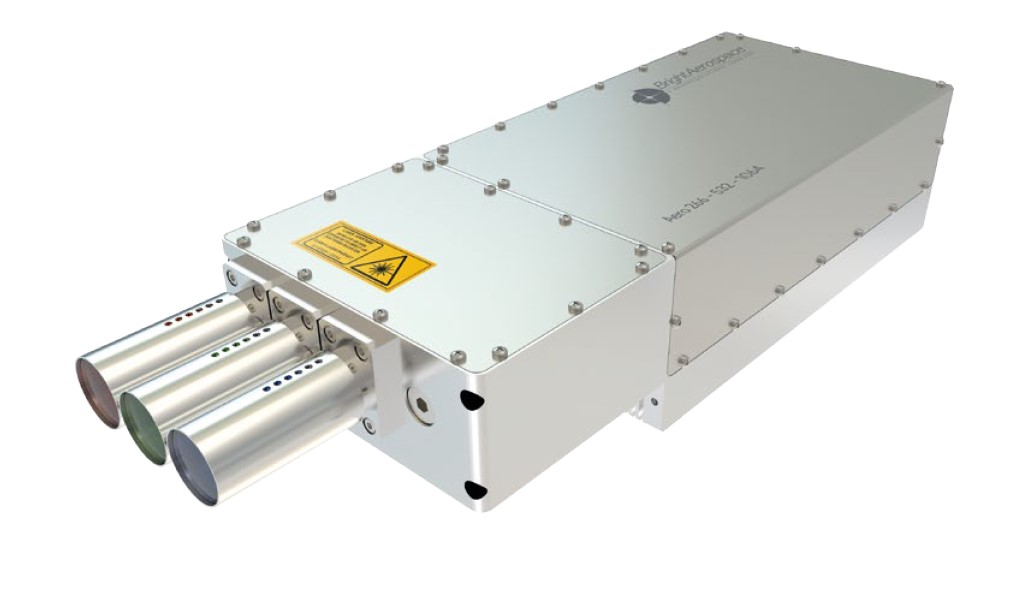
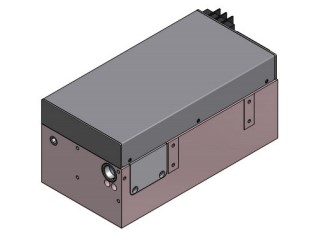
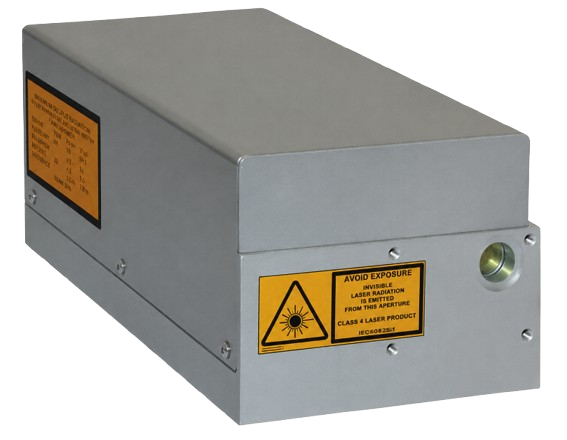
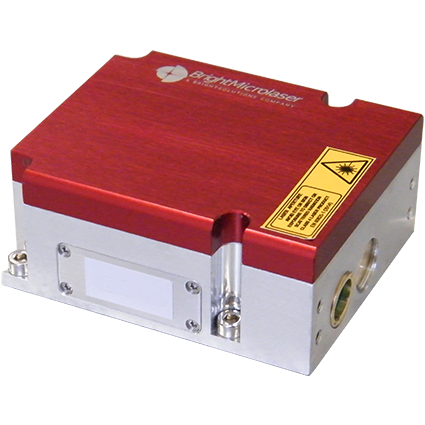
Vento DPSS Laser Platform Examples:
Fully tailored solutions, based on the following configurations. Let us know what you need!

Benefits:
- Completely tailored solutions for your application:
Work with our team to define your desired laser specifications to get exactly what you need for a successful application - Low SWaP, ruggedized & airborne-ready:
Compact, lightweight, efficient, and resistant to vibration, ideal for LIDAR and aerospace applications. - Short sub-nanosecond pulses:
The short pulse duration allows for high precision in applications like LIDAR and micromachining.
- High average output power:
The high-power output allows for faster material processing speeds and increased LIDAR signal strength. - Efficient & compact air cooling – Water cooling option:
Smaller footprint & less maintenance for airborne applications, w/ the option for water cooling for enhanced thermal management. - Industrial or MIL-grade design:
Whether working in a clean laboratory or in a harsh environment, the Vento can be configured for your specific requirements.
Options Available
- Beam expanding and collimating optics
- Low jitter option
- Extended operating temperature range
- Pulse energy modulation
- Up to IP68 package
- 28V DC Input for airborne installation
- Circular polarization
- Remote control box & software interface
- AC-DC power supply
Ready to confirm a Vento configuration?
Send RPMC details of your application and laser requirements:
- application
- target wavelength
- timeline
- quantity
- average power
- pulse energy
- pulse width
- repetition rate
- trigger/timing needs
- output format
- package constraints
- cooling preference
We’ll help confirm whether Vento, another Bright Solutions platform, or a custom DPSS configuration is the best fit.